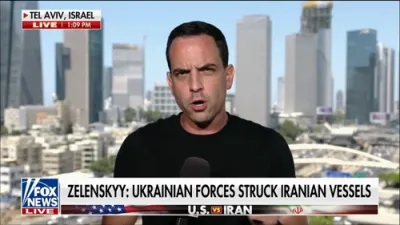
איראן לייקנט אפ דירעקטע געשפרעכן מיט אמעריקע בעת פרעזידענט טראמפ זאגט אז א דיעל איז נאנט
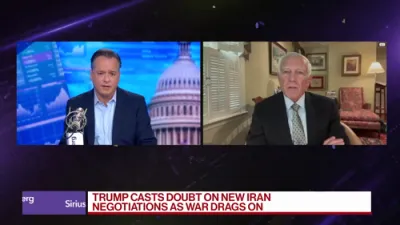
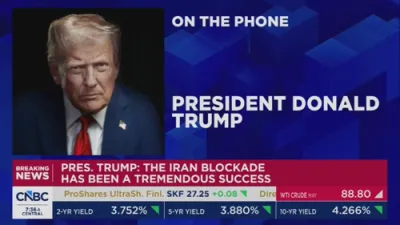
Trump Picks Deal Over Bombs as Iran Talks Set for Today, No Deadline
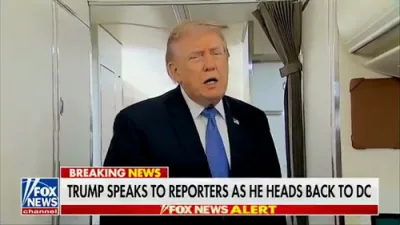
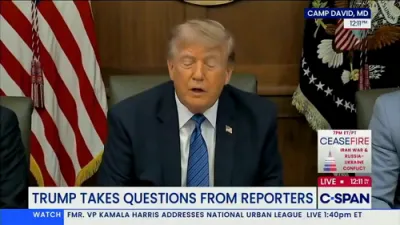
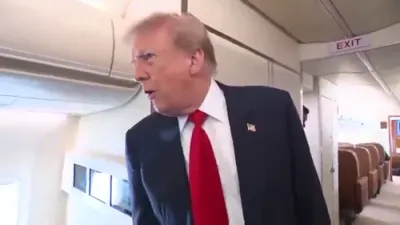
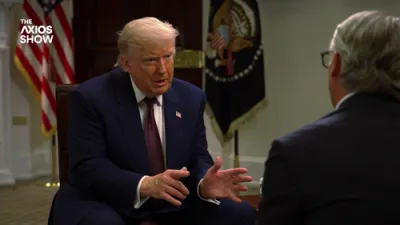
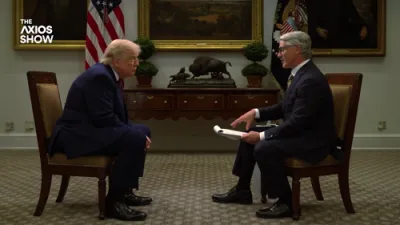
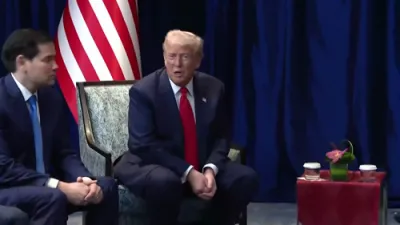
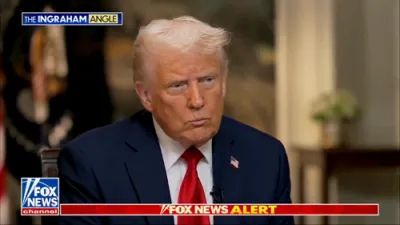
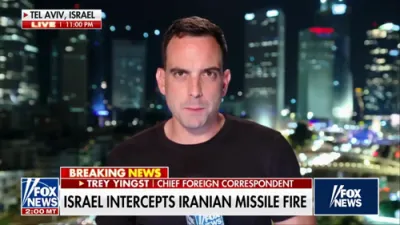
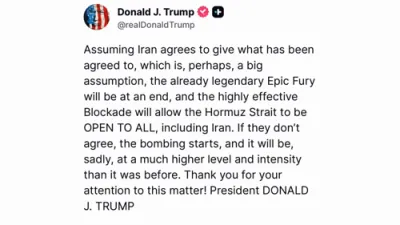
President Trump, speaking aboard Air Force One, made clear that he would rather strike a deal with Iran than resort to renewed military action, announcing that negotiations are set to begin today, August 3, with no fixed deadline attached. The remarks come just days after the president revealed he had called off a planned large-scale strike on Iran at the last possible moment, citing urgent requests from Saudi Arabia, the UAE, Qatar, and Iran itself. Trump had previously declared the U.S. military "locked and loaded" for unprecedented action, only to stand down once regional partners signaled that a breakthrough on reopening the Strait of Hormuz and dismantling Iran's nuclear program appeared within reach — a decision he said Israel fully supported.
At the heart of the standoff remains the Strait of Hormuz, the narrow but vital waterway between Iran and Oman through which a massive share of the world's oil and gas flows. Trump's optimistic tone suggests the administration believes real progress is being made toward a comprehensive agreement, one that would keep the strait open to global shipping while permanently neutralizing the nuclear threat Tehran has long posed to the region and beyond. The lack of a hard deadline this time marks a notable shift from earlier ultimatums, hinting that Washington may be willing to let talks breathe rather than force a rushed outcome.
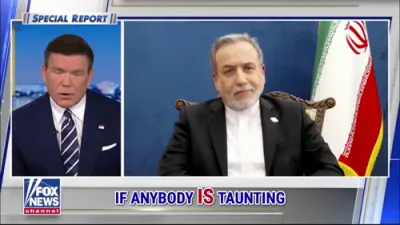
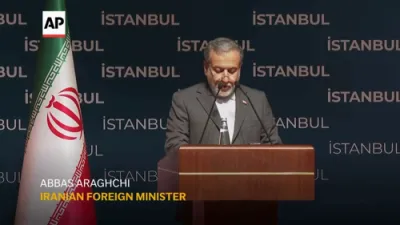
Yet not everyone is telling the same story. Iran's foreign ministry has directly disputed the White House's characterization of events, denying that any direct talks with the United States are currently scheduled and insisting that its only active discussions are with Oman, focused narrowly on the technical management of Hormuz shipping traffic. The sharply conflicting narratives underscore just how fragile and opaque this diplomatic moment remains — with Trump projecting confidence in an imminent deal while Tehran publicly downplays the very talks he says are about to begin. As the two sides trade competing accounts, the world is left watching closely to see whether genuine diplomacy is unfolding behind the scenes, or whether the standoff over Hormuz and Iran's nuclear ambitions is simply entering a new, uncertain phase.