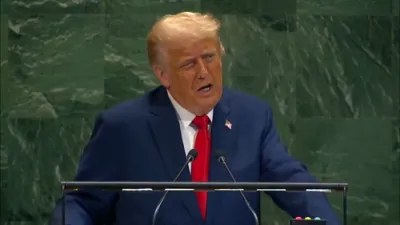
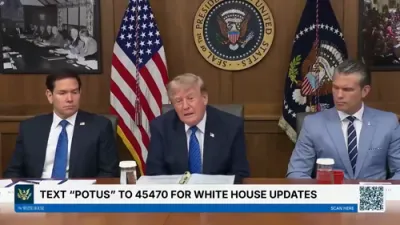
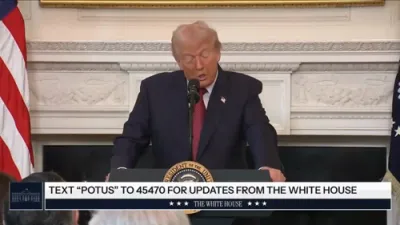
פרעזידענט טראמפ קריטיקירט מישיגען דעמאקראט אלס א סכנה פאר אמעריקע'ס צוקונפט.
Trump Warns El-Sayed Victory Would Destroy the Country
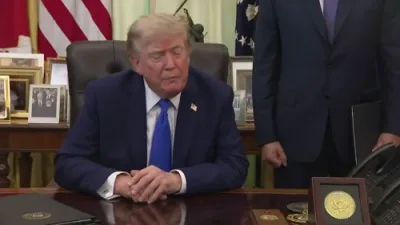
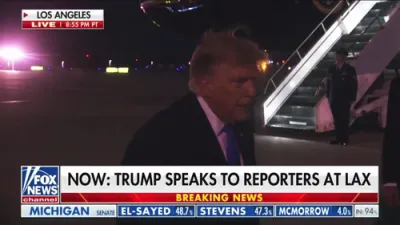
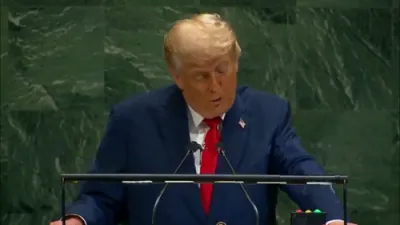
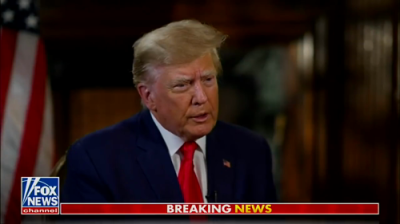
President Donald Trump delivered a blunt assessment of Michigan’s new Democratic Senate nominee, Abdulrahman Mohamed El-Sayed, making clear he views the progressive candidate as a serious danger to the nation. Trump acknowledged that El-Sayed “speaks okay” but quickly added that he has “seen better.” He then issued a sharp warning: “I’ll tell you what, guys like that get in, they’ll destroy this country.” The comments underscore the high stakes Trump attaches to the upcoming Senate race in the key battleground state.
El-Sayed, a 41-year-old Egyptian-American and former public health official, narrowly won the Democratic primary on August 5, 2026. He will now face Republican Mike Rogers in the November general election for Michigan’s open Senate seat. A self-described progressive, El-Sayed has championed Medicare for All and frequently criticized the influence of corporate money in politics. His nomination has sharpened the debate over the direction of the Democratic Party and the electability of far-left policies in a state that remains closely contested.
Trump’s remarks reflect a broader Republican argument that candidates embracing expansive government programs and progressive priorities pose risks to the economy, border security, and traditional American institutions. By framing El-Sayed as part of a group that would “destroy this country,” the president is signaling that the Michigan race is about more than one seat—it is about stopping an agenda he believes would fundamentally weaken the United States. Supporters of the president see the warning as a necessary wake-up call ahead of the midterms.
As the general election campaign begins, Trump’s direct criticism sets a confrontational tone that is likely to define the contest. The president is betting that Michigan voters will reject what he portrays as radical change in favor of more mainstream leadership. With control of the Senate on the line, the race is already drawing national attention as a test of whether progressive policies can prevail in a pivotal Midwestern state.