איראנ'ס ווארענונג: בית הקברות שעף זאגט אז 5,000 קברים ווארטן אויף אמעריקאנער אינוואדירער
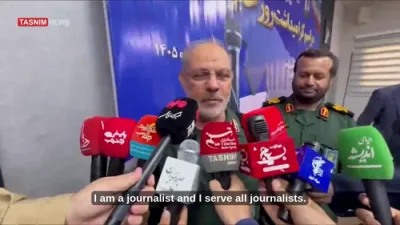
Iran has issued a chilling warning to the United States, with Mohammad-Javad Tajik, director of Tehran’s Behesht-e Zahra cemetery, saying authorities have prepared space for as many as 5,000 temporary graves for American forces in the event of an invasion. In an interview aired on Iranian television on August 13, 2026, Tajik said the preparations were intended for potential U.S. troops killed during a ground or airborne attack. The remarks add another provocative layer to the already intense confrontation between Washington and Tehran.
Tajik described the burial sites as part of contingency planning outside Tehran rather than simply a psychological threat. He said the arrangements were designed to handle the remains of foreign forces separately from Muslim burials, with logistical preparations including morgue capacity and other facilities needed during a major crisis. His comments suggest Iranian authorities are presenting the preparations as a practical wartime measure while simultaneously using the imagery of thousands of graves to send a stark warning to potential attackers.
The figure of 5,000 graves has attracted significant attention because of the unmistakable message behind the preparation. Tajik's warning was blunt: if American forces invade Iran, he said, they would inevitably suffer deaths, turning the cemetery preparations into a highly public display of Tehran's expectations for the consequences of a ground war. The statement does not establish that an American invasion is imminent, but it demonstrates how seriously Iranian officials are publicly discussing the possibility of a major military confrontation.
The comments also highlight the role of psychological and strategic messaging in the escalating U.S.-Iran confrontation. By publicly announcing preparations for American casualties, Tehran is attempting to reinforce the message that any invasion would carry a heavy human cost, while portraying itself as prepared for a worst-case scenario. At the same time, the distinction between contingency planning and an actual expectation of imminent invasion is important, because preparing burial capacity alone does not prove that Iranian authorities possess specific information about a forthcoming U.S. ground operation.
The extraordinary warning leaves a question hanging over the confrontation: why would Tehran publicly reveal preparations for thousands of foreign military deaths unless it wanted Washington and its allies to take the threat seriously? The announcement comes as tensions across the region remain exceptionally high, making every military statement and contingency measure potentially significant. Whether the graves ultimately remain unused or become part of a much larger wartime crisis, Tajik's remarks provide a stark glimpse into how Iran is signaling its readiness for the possibility of direct conflict with American forces.