Loading
זעמל - Morocco: Great nissim occurred on Friday for a group of Yidden traveling to the hilula of the tzaddik Rav Dovid U'Moshe ZT"L..   |  זעמל - Cleveland Hatzalah Adds Five New Volunteers to Growing Roster   |  זעמל - Jerusalem - The Belzer Rebbe Shlit"a dancing on Motzaei Shabbos at the simchas ha'erusin of his grandson..   |  אידישער ווינקל - New Development: Two Flydubai Pilots Arrested in Connection with Attempted Hijacking of Israel-Bound Flight   |  אידישער ווינקל - President Trump announced an energy deal between Ukraine and Russia, stating that "both sides have agreed."   |  אידישער ווינקל - Germany's Foreign Minister announced that his country supports Ukrainian President Volodymyr Zelenskyy..   |  🌴 בצל הקודש סאטמאר 🌴 - The Rebbe entered the beis medrash for Mincha at approximately 6:50 p.m. Reb Hersh Leib Fogel served as the baal tefillah. Kibbudim for krias haTor..   |  בקיצור - Three Jews Rescued from Sinking Car in Morocco   |  בקיצור - New York Republican gubernatorial candidate Bruce Blakeman paid a visit today to the nagid Reb Yoel Landau.   |  בקיצור - Saudi Arabia’s General Authority of Civil Aviation has announced that King Khalid International Airport was once again targeted in an attack by Hou..   |   זעמל - Morocco: Great nissim occurred on Friday for a group of Yidden traveling to the hilula of the tzaddik Rav Dovid U'Moshe ZT"L..   |  זעמל - Cleveland Hatzalah Adds Five New Volunteers to Growing Roster   |  זעמל - Jerusalem - The Belzer Rebbe Shlit"a dancing on Motzaei Shabbos at the simchas ha'erusin of his grandson..   |  אידישער ווינקל - New Development: Two Flydubai Pilots Arrested in Connection with Attempted Hijacking of Israel-Bound Flight   |  אידישער ווינקל - President Trump announced an energy deal between Ukraine and Russia, stating that "both sides have agreed."   |  אידישער ווינקל - Germany's Foreign Minister announced that his country supports Ukrainian President Volodymyr Zelenskyy..   |  🌴 בצל הקודש סאטמאר 🌴 - The Rebbe entered the beis medrash for Mincha at approximately 6:50 p.m. Reb Hersh Leib Fogel served as the baal tefillah. Kibbudim for krias haTor..   |  בקיצור - Three Jews Rescued from Sinking Car in Morocco   |  בקיצור - New York Republican gubernatorial candidate Bruce Blakeman paid a visit today to the nagid Reb Yoel Landau.   |  בקיצור - Saudi Arabia’s General Authority of Civil Aviation has announced that King Khalid International Airport was once again targeted in an attack by Hou..   |  

$2 TRILLION THREAT: Iran Warns Next War Will Target U.S. Assets and Digital Lifelines

October 11th,

0 366
Main image for $2 TRILLION THREAT: Iran Warns Next War Will Target U.S. Assets and Digital Lifelines

Videos


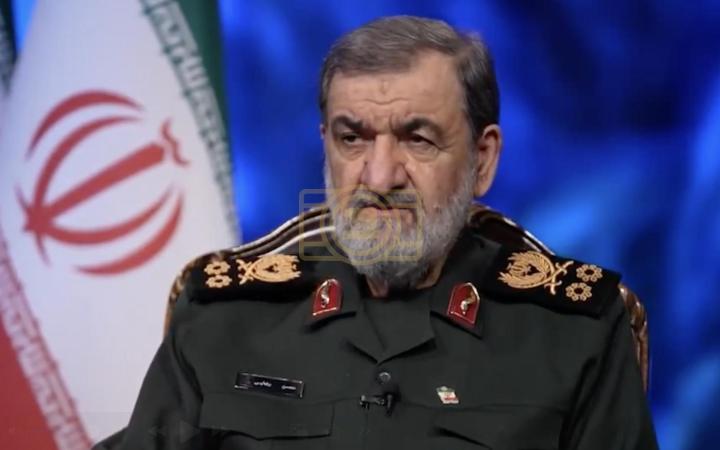
Iran’s Supreme National Security Council Secretary issued a stark warning on October 11, 2026, stating that any renewed war would see undersea cables, data centers, AI facilities, and other regional sites destroyed, assets valued at $2 trillion. The remarks, reported by Tasnim News, specifically highlighted U.S. assets near the Strait of Hormuz and in the UAE as potential targets. He framed the threat as a demonstration of Iran’s readiness to deploy new capabilities against critical infrastructure. The statement builds on earlier warnings about disrupting Gulf digital chokepoints that carry substantial global data traffic and support AI systems in the region. Officials presented the message as a clear signal of preparedness should conflict escalate again.

Undersea cables in the area form essential digital infrastructure, carrying 95 to 99 percent of international data along with trillions in daily financial flows. Targeting these systems, along with data centers and AI facilities, would risk broad economic disruption far beyond the immediate region. The Iranian official’s comments underscore the strategic importance of these assets and the potential consequences of their destruction. By linking the threat directly to a future war, the warning aims to highlight the high stakes involved. The disclosure focuses attention on how digital and energy-related infrastructure could become central to any renewed confrontation. These details raise questions about the resilience of global data networks and the economic fallout that could follow.