FRONT LINE FOOTAGE: Inside the Carrier Facing Off With Iran
Gallery
Videos
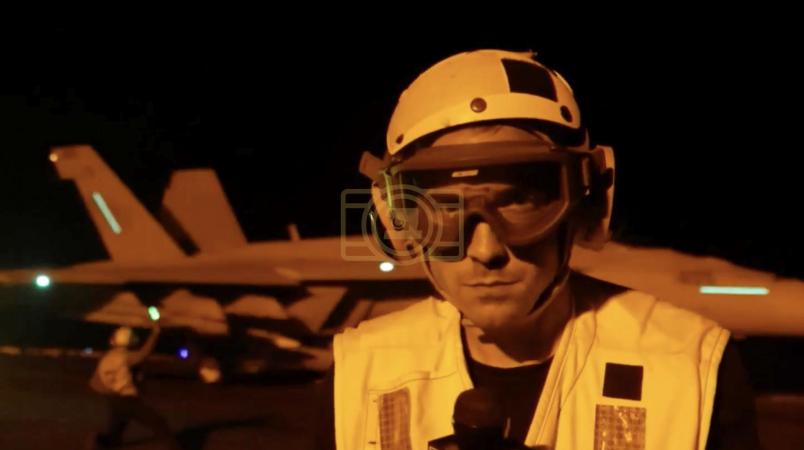
Fox News correspondent Trey Yingst delivered a rare, up close look at the front lines of the ongoing standoff with Iran this week, reporting live from the flight deck of the USS George Washington as fighter jets launched into the night sky over the Arabian Sea. His footage captured the blinding streak of afterburners cutting through the darkness during high tempo nighttime operations, offering viewers a visceral sense of just how relentless the carrier's flight schedule has become. The George Washington, a nuclear powered Nimitz class carrier that can accommodate more than 6,000 service members, is normally based in Japan and typically operates in the western Pacific rather than the Middle East. Its presence so far from its usual waters underscores how seriously Washington is treating the current standoff with Tehran.
The carrier arrived in the region in late August specifically to relieve the USS Abraham Lincoln, which had just wrapped up a grueling and record setting deployment lasting nearly nine months. The Lincoln had gone more than 250 consecutive days without a port call for rest and recreation, a stretch U.S. defense officials described as unprecedented in the modern era, and one that triggered growing concern in Washington after reports surfaced of food and hygiene product shortages along with declining crew morale and mental health aboard the ship. President Trump downplayed those concerns publicly, calling the deployment length a good period of time and noting that carriers have stayed at sea even longer in past decades, while Defense Secretary Pete Hegseth said reports about conditions on board had been completely misrepresented. Regardless of the dispute over messaging, the handoff allowed Lincoln's exhausted crew to finally begin their journey home.
With the George Washington now on station, it operates alongside the USS George H.W. Bush, giving the Navy two Nimitz class carriers simultaneously deployed to the Middle East as part of an ongoing effort to enforce a blockade on Iranian ports through the Strait of Hormuz. That blockade, an initiative pushed by the Trump administration, is designed to choke off Iran's ability to export oil while U.S. forces also work to escort commercial vessels safely through the volatile waterway. Guided missile destroyers traveling with the carrier strike group play a critical defensive role in this mission, screening the carrier against Iranian ballistic missile threats and helping protect regional energy infrastructure from further attack. Hegseth has said the United States intends to maintain this blockade indefinitely, even as renewed hostilities between Washington and Tehran have eased somewhat in recent weeks.
Keeping two carrier strike groups tied down in the Middle East is not without real strategic cost, since it leaves other regions with a reduced American naval presence at a time when global attention is increasingly focused elsewhere. In fact, the George Washington's deployment has left the western Pacific without any carrier at all for the time being, a gap that has drawn scrutiny from analysts watching the broader balance of power in that region. Some reporting suggests the George Washington's Middle East posting could ultimately prove temporary, serving as a bridge until the USS Theodore Roosevelt, currently stationed in San Diego, is able to head toward the region itself. For now, though, the footage from the George Washington's flight deck stands as a clear signal that the United States intends to keep its naval firepower fully engaged in the standoff with Iran for as long as the situation demands it.