Orbán Tells Trump: “Ukraine Cannot Win the War But Miracles Can Happen"
Gallery
Videos
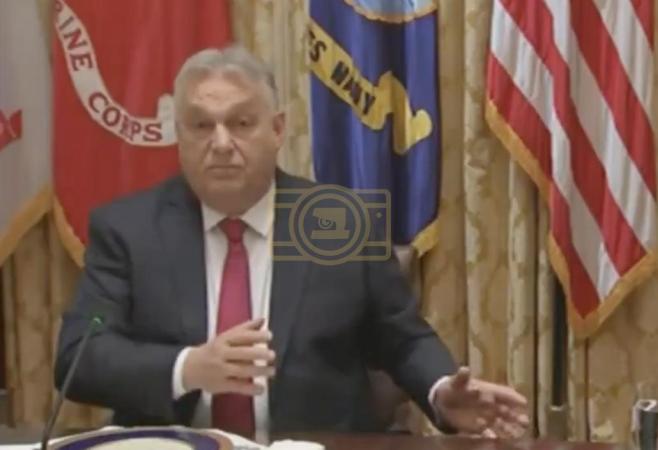
WASHINGTON, D.C. — In a striking moment during their recent meeting, Hungarian Prime Minister Viktor Orbán and President Donald Trump shared a candid exchange on the ongoing war in Ukraine, revealing a shared skepticism about Kyiv’s chances of victory on the battlefield.
“All the other governments prefer war because many of them think that Ukraine can win on the front line, which is a misunderstanding of the situation,” Orbán told President Trump during their private discussion, according to a released transcript of their remarks.
When Trump asked, “So you would say that Ukraine cannot win the war?” Orbán replied, “Miracles can happen.” The president nodded in agreement, responding simply, “That’s right.”
Orbán’s comment reflects his long-standing position that the conflict in Ukraine cannot be resolved through military means — a view that has often put him at odds with NATO and EU partners advocating continued military support for Kyiv. His remarks underscore Hungary’s broader call for immediate peace negotiations and an end to what he has described as “a proxy war destroying Europe.”
Trump’s agreement signals continued alignment between Washington and Budapest on pursuing diplomatic solutions over indefinite military engagement. The exchange also reinforces the Trump Administration’s policy shift toward de-escalation and strategic realism in Eastern Europe — emphasizing negotiations, national interest, and regional stability rather than open-ended funding for war.
Under Trump’s leadership, U.S. policy has increasingly focused on protecting American resources and prioritizing diplomacy, contrasting sharply with the previous administration’s heavy financial and military support for Ukraine. Orbán’s remarks echoed that sentiment, arguing that “the West’s misunderstanding of the war” risks prolonging suffering without achieving victory.
The moment between the two leaders captured a broader ideological convergence: a belief that the path forward in Ukraine lies not in wishful thinking or endless conflict, but in recognizing hard realities — and seeking peace through strength, not illusion.