OIL BOOM: America Set to Reap Huge Gains as Venezuelan Oil Output Soars Past 1.5 Million Barrels

Gallery
Videos
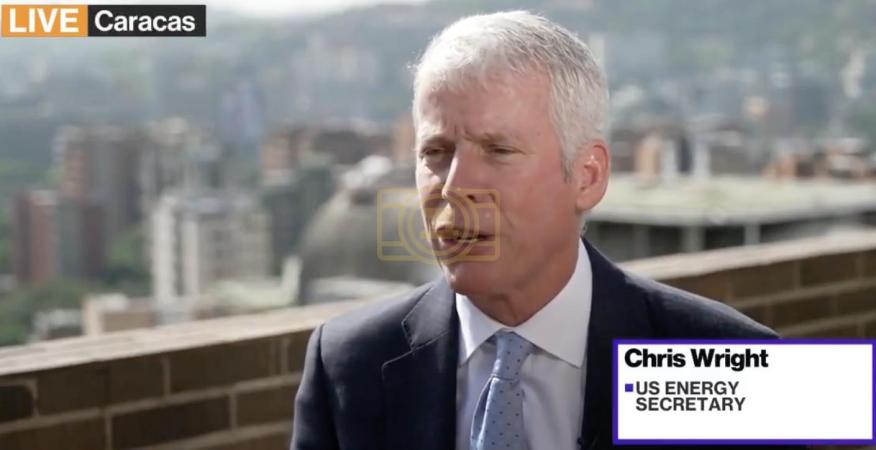
US Energy Secretary Chris Wright used a Bloomberg interview from Caracas to outline President Trump’s approach to global energy relations. He described the administration’s agenda as one that seeks to replace conflict with commerce around the world. Wright pointed to rapid growth in Venezuelan oil production as a clear example of this strategy delivering tangible results. He emphasized that the surge in output represents a major benefit for American refineries specifically designed to process that type of crude. Lower energy costs for US buyers were presented as a direct and immediate advantage of the new partnership.
According to the official White House rapid response account, the Trump administration’s 2026 energy diplomacy in Venezuela includes lifting select sanctions and forming partnerships on resource development. The effort also involves overseeing oil sales with the goal of raising production from roughly 1.2 million barrels per day to more than 1.5 million barrels per day within a year. Wright called the growth in Venezuelan production “simply tremendous for America.” He noted that US refineries were originally built to handle Venezuelan oil, making the renewed supply particularly valuable. The secretary framed the entire initiative as a massive win for energy consumers across the United States.
The policy shift aims to expand Western access to Venezuela’s vast oil reserves while channeling revenues toward stabilizing the country. Officials present the arrangement as a way to strengthen hemispheric energy security by increasing reliable supply from a nearby source. By easing certain restrictions and encouraging higher output, the administration expects both commercial gains for US industry and broader economic benefits for Venezuela. Wright’s comments in Caracas underscored the administration’s view that commercial engagement can achieve results that prolonged confrontation could not. The focus remains on practical cooperation that boosts production and delivers lower costs at home.
Wright’s remarks highlighted the technical fit between Venezuelan crude and existing American refining infrastructure. Many US facilities on the Gulf Coast were constructed decades ago with heavier Venezuelan grades in mind, giving them a natural advantage when that supply becomes more available. The expected rise above 1.5 million barrels per day would mark a significant recovery in output and provide a steadier stream of feedstock for those refineries. Administration officials argue this development supports energy affordability for American households and businesses. The secretary presented the results so far as evidence that the commerce-first approach is already producing measurable gains.
The broader strategy ties increased oil sales to efforts aimed at stabilizing Venezuela while advancing US energy interests. Revenues generated from higher production are intended to support internal recovery and reduce the risk of further regional disruption. At the same time, greater volumes of Venezuelan crude flowing to American markets help diversify supply and put downward pressure on prices. Wright’s interview served as a public affirmation that the administration sees mutual benefit in the current path. The message from Caracas was that commercial ties, rather than continued isolation, offer the more effective route to both energy security and regional stability.
As production climbs and selected sanctions are eased, the administration continues to position the Venezuela partnership as a flagship example of its global energy diplomacy. Wright’s statements reinforce the claim that replacing conflict with commerce can unlock resources that benefit American consumers and industry alike. The projected increase to more than 1.5 million barrels per day within a year stands as the clearest near-term benchmark for success. For US refiners and energy buyers, the return of greater Venezuelan volumes is being cast as a practical and welcome development. The secretary left little doubt that the White House views the current trajectory as a clear victory for its preferred approach.