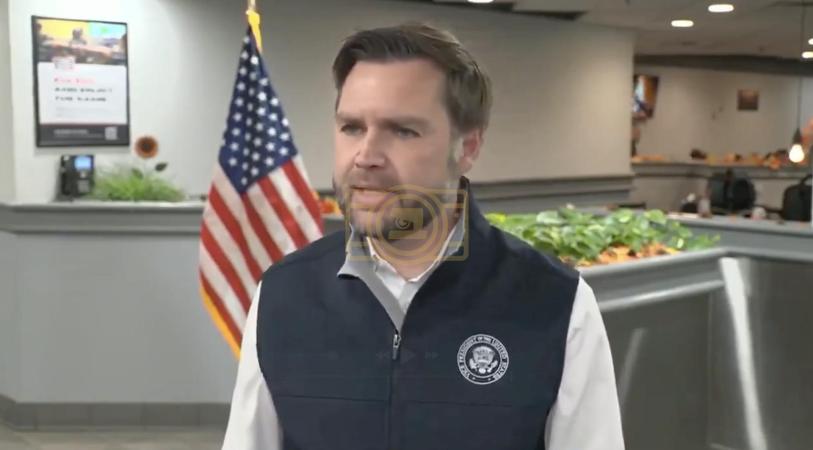
VANCE DEFENDS IOWA EXPLOSIVES DETONATION: Says Trump and Hegseth Made the Right Decision to Prevent Disaster

Gallery
Videos
Vice President JD Vance is defending the Trump administration's decision to carry out a controlled detonation of nearly five tons of unstable explosives at the Iowa Army Ammunition Plant, arguing that allowing the dangerous material to remain in storage could have resulted in a far more destructive accident. Speaking to reporters on November 25, Vance explained that officials faced two primary options: deliberately destroy the deteriorating explosives under controlled conditions or leave them in place despite the risk of an uncontrolled explosion. "It's important for people to appreciate that there were two options here: just let it sit there and detonate in an uncontrolled way, or try to detonate it in a controlled way that limited the environmental impact," Vance said. He credited President Donald Trump and Defense Secretary Pete Hegseth with making what he described as the right decision after days of discussions involving senior administration officials and military experts. The explosives, identified as degraded lead azide, had become increasingly dangerous after decades in storage, with officials warning that deterioration and crystallization made handling or transporting the material hazardous. The Army ultimately carried out the November 25 operation using specialized mitigation measures intended to contain the blast and reduce the potential spread of lead contamination.
Initial reports following the detonation indicated that the operation was completed without secondary explosions or damage to surrounding infrastructure, while EPA monitoring detected no airborne lead in the immediate aftermath. Vance said the administration considered the possibility of spontaneous detonation a serious threat, particularly as colder weather approached and the unstable material remained in storage. The White House said hundreds of federal personnel and specialists were involved in the preparation and monitoring effort, including teams from the Army, Environmental Protection Agency and other agencies. EPA Administrator Lee Zeldin reported that approximately 1,200 baseline samples had been collected before the blast and that around 300 EPA personnel and contractors were positioned to continue environmental testing. Officials emphasized that monitoring of air, soil, dust and water would continue over the coming days to determine whether any contamination occurred beyond the immediate site. Vance's defense comes amid public questions about the operation's environmental risks and whether residents received sufficient advance notice, but the administration maintains that controlled destruction was the safest available option under the circumstances.