NO AIRBORNE LEAD DETECTED AFTER MASSIVE IOWA BLAST: Army Reports Successful Destruction of Nearly Five Tons of Explosives
Gallery
Videos
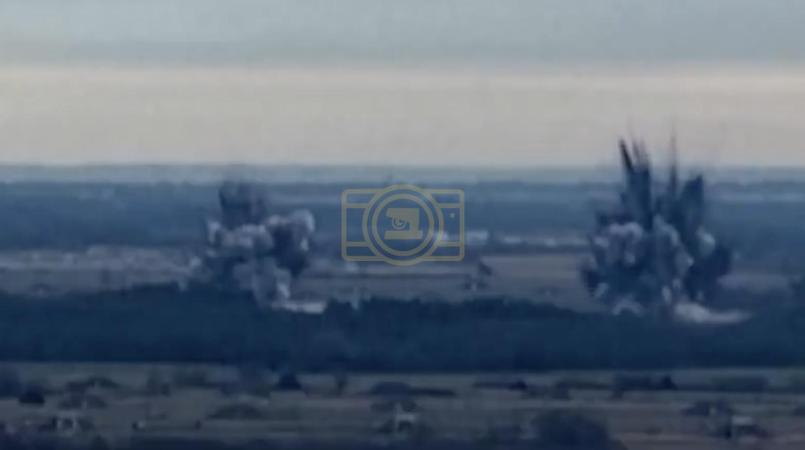
The U.S. Army says initial environmental monitoring detected no airborne lead following Wednesday's controlled detonation of nearly five tons of unstable explosives at the Iowa Army Ammunition Plant near Middletown. The November 25 operation destroyed approximately 9,700 pounds of degraded lead azide stored in 68 drums after officials determined the material had become dangerously sensitive to friction, vibration, heat and shock. The explosive stockpile had partially crystallized after decades in storage, creating a potentially catastrophic risk if workers attempted to move or handle it. Military explosive ordnance disposal specialists carried out the detonation using extensive protective measures designed to contain debris and limit the spread of potentially contaminated dust. Army officials reported that the operation successfully destroyed the entire stockpile without secondary explosions or damage to surrounding infrastructure. Initial EPA monitoring also detected no airborne lead in the immediate aftermath of the blast, providing an encouraging early indication that the safety precautions worked as intended.
Despite the initial results, federal authorities are continuing environmental testing to determine whether any lead particles settled onto nearby land, buildings or waterways. The Environmental Protection Agency had collected more than 1,200 baseline samples before the explosion and deployed monitoring teams to examine air quality and potential contamination. Post-detonation testing is now focusing on air, soil, surface dust and water, with additional laboratory results expected as the investigation progresses. Officials emphasized that the absence of detectable airborne lead does not automatically rule out contamination on nearby surfaces or in the surrounding environment. Residents had been advised to remain indoors during the operation and follow official safety instructions until authorities issued an all-clear notice. The Army and EPA say continued monitoring will help establish the full environmental impact and determine whether any cleanup measures are necessary.