CIVILIZATION WORTH DEFENDING: Rubio Challenges Americans to Embrace Their Western Heritage

Gallery
Videos
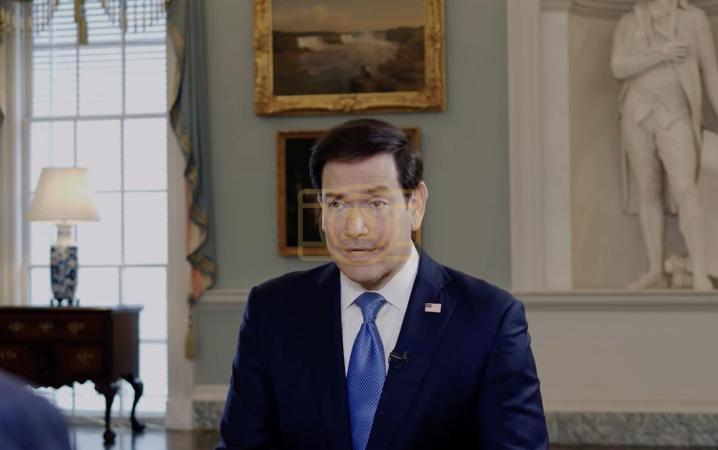
U.S. Secretary of State Marco Rubio is making a forceful case for renewed American pride in Western civilization, arguing that the country’s values and institutions are rooted in a long history of achievements that helped shape the modern world. In an interview with Breitbart News correspondent Matt Boyle, Rubio said Americans are heirs to a great civilization whose contributions extend from ancient Greece and Rome through Europe to the founding of the United States. He emphasized that American democracy, republican government, cultural traditions and national values did not emerge overnight but developed through centuries of shared history. Rubio also pushed back against the idea that celebrating Western heritage necessarily means attacking other cultures, arguing that every civilization should be able to take pride in its own history. His remarks reinforce a central theme of the Trump administration’s foreign policy messaging: that national identity, cultural confidence and the defense of Western values should remain important considerations in America’s engagement with the world. The comments follow Rubio’s address at the Acropolis in Athens, where he called on Western nations to rediscover the qualities he believes helped their societies flourish.
The State Department’s accompanying message, declaring that “Western civilization is worth defending,” further underscores the administration’s effort to place cultural heritage at the center of its public diplomacy. A video montage accompanying the message features imagery associated with ancient Greece, including the Parthenon, alongside American symbols, space exploration and scenes of political protest, connecting historical achievements with contemporary debates about Western identity. Rubio argued that many Western societies have become increasingly uncomfortable acknowledging their historical accomplishments, a trend he believes has consequences for their confidence and foreign policy decisions. He wants the United States and its European allies to recognize their shared inheritance while pursuing policies that protect their national interests and strengthen cooperation. The message also reflects the broader America First approach, which places American interests at the forefront while maintaining that a stronger and more self-confident West can benefit its allies. Whether this emphasis on civilizational identity will translate into lasting changes in relations with European partners remains an important question as the administration continues to define its foreign policy priorities.