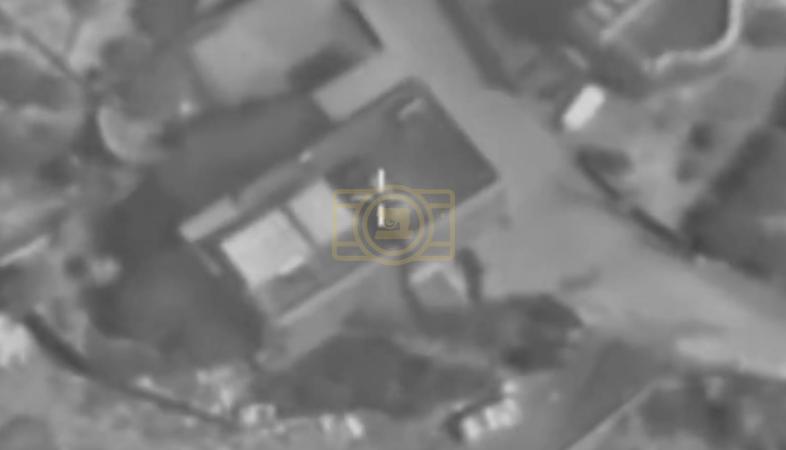
IDF Expands Tehran Strikes Targeting Basij Checkpoints and Command.
Gallery
Videos
The Israel Defense Forces have intensified their operations in Tehran, striking more than 10 Basij checkpoints and positions across the capital in recent hours. According to official statements, one of the key targets included an “emergency position” used by the Basij and the Islamic Revolutionary Guard Corps, which had been repurposed from a former football club. Drone footage released by the IDF shows precision strikes hitting these sites, underscoring a continued effort to degrade Iran’s internal security infrastructure.
These latest strikes follow an overnight operation that reportedly eliminated Basij commander Gholamreza Soleimani, his deputy, and several senior officers. Israeli officials describe the campaign as a sustained effort to weaken the Basij’s operational capabilities, particularly its role in enforcing regime control and suppressing internal dissent. By targeting both leadership and infrastructure, the operation aims to disrupt coordination and reduce the effectiveness of the paramilitary force.
The messaging surrounding the strikes has also resonated beyond the battlefield, with the operation framed as support for “free Iranians” opposed to the current regime. Reactions from Iranian exiles and opposition voices suggest that the weakening of the Basij is seen by some as a potential opening for broader political change. The Basij has long been associated with crowd control and the suppression of protests, making it a central pillar of domestic enforcement.
As part of a broader series of U.S.-Israeli operations following the escalation earlier in 2026, these strikes signal continued pressure on Iran’s internal security apparatus. Analysts note that while such actions may significantly disrupt the Basij in the short term, the long-term impact will depend on how Iran’s leadership adapts and whether internal opposition movements are able to capitalize on the shifting dynamics. The situation remains fluid, with both military and political consequences continuing to unfold.