ARMY PREPARES FOR HIGH-RISK IOWA BLAST: Massive Safety Measures Deployed Before 9,700-Pound Explosive Detonation
Gallery
Videos
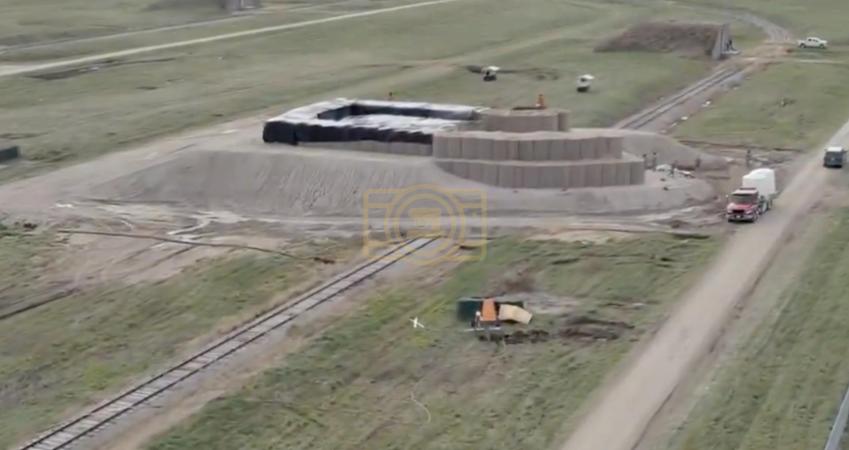
U.S. Army personnel were on site at the Iowa Army Ammunition Plant in Middletown on Wednesday, November 25, as military specialists prepared to carry out a controlled detonation of approximately 9,700 pounds of unstable lead azide. The operation targeted 68 drums of degraded explosive material that had been stored since 2009 and developed dangerous crystallization over time. Officials warned that the deterioration made the compound extremely sensitive to friction, vibration, shock and temperature changes, creating a growing risk of spontaneous detonation. After evaluating alternatives, including chemical neutralization and relocation, Army experts concluded that an in-place controlled explosion was the safest available option. Extensive protective measures were installed around the storage bunkers, including massive sand-filled barriers, reinforced earth berms, foam protection and tarps designed to help contain hazardous particles. A water wall containing more than 100,000 gallons was also prepared to reduce the spread of airborne lead dust during the operation.
The Army coordinated the operation with the Environmental Protection Agency, FEMA, the Department of Health and Human Services, and state and local emergency authorities to protect nearby residents and military personnel. More than 1,200 environmental samples were collected ahead of the detonation, while EPA personnel and contractors were deployed to conduct additional monitoring and prepare for possible cleanup. Authorities also established relocation and safety advisories for designated areas, with temporary housing, transportation, food and other assistance available to affected residents. The controlled detonation was carried out Wednesday morning, November 25, after extensive preparations and favorable weather assessments. Initial reports indicated that the blast was successfully contained, although officials continued monitoring for possible lead contamination in surrounding communities. The operation eliminated the immediate threat posed by the unstable stockpile, but environmental testing remains essential to determine whether any hazardous particles reached nearby homes, farmland or waterways.