KINGMAKER SHOWDOWN IN KNESSET: Netanyahu Rejects Any Government Reliant On Arab Parties
Gallery
Videos
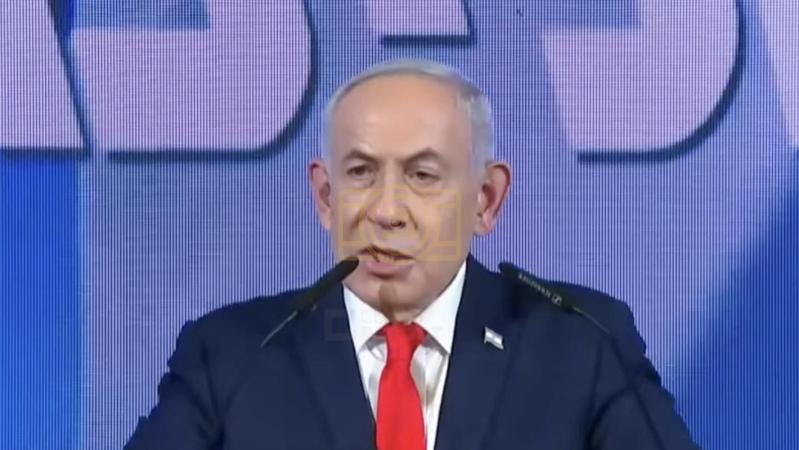
Early Wednesday, after Israel's October 27 election, Prime Minister Benjamin Netanyahu told activists and journalists at Likud headquarters in Jerusalem that the country must form a strong, national, right-wing government. He warned against building one that depends on what he called anti-Zionist Arab parties, accusing them of opposing Israel's existence. Netanyahu insisted that Likud is the largest party and that his bloc has a decisive majority among Jewish and Zionist voters. At the same time, he urged supporters to wait for the official count, since exit polls had left the outcome unresolved.
The numbers explain why the fight over coalition partners is so tense. Exit polls and early projections put Netanyahu's bloc at roughly 52 to 54 seats, the opposition at about 47 to 49, and the Arab parties at around 17 to 19 in the 120-seat Knesset, which means nobody has the 61 seats needed for a majority. That puts the Arab parties in a possible kingmaker position, although the main opposition rival, Gadi Eisenkot, has also all but ruled out governing with them. Turnout was high, including among Arab citizens, which is now a major factor in the coalition math. With official results expected over the next couple of days, the big question is how either camp can reach 61 seats without the very partners it has publicly rejected.