Israeli Voices Demand Answers: Who's Really Undermining Lebanese Sovereignty?

Gallery
Videos
Bombshell Question: Does the US-Iran Deal Quietly Sideline Israel and Lebanon?
A pointed question is circulating among Israeli commentators and security observers in the wake of the newly signed US-Iran memorandum of understanding: does the deal sideline existing bilateral agreements between Israel and Lebanon, even as it claims to protect Lebanese sovereignty? The MoU includes a sweeping commitment to Lebanon's territorial integrity and requires an immediate halt to military operations on all fronts, Lebanon included, as part of the broader ceasefire and the 60-day push toward a permanent nuclear agreement. Critics argue that folding Lebanon into a US-Iran framework, without explicit reference to Israel's own security arrangements along that border, risks rewriting the rules of engagement without Jerusalem at the table.
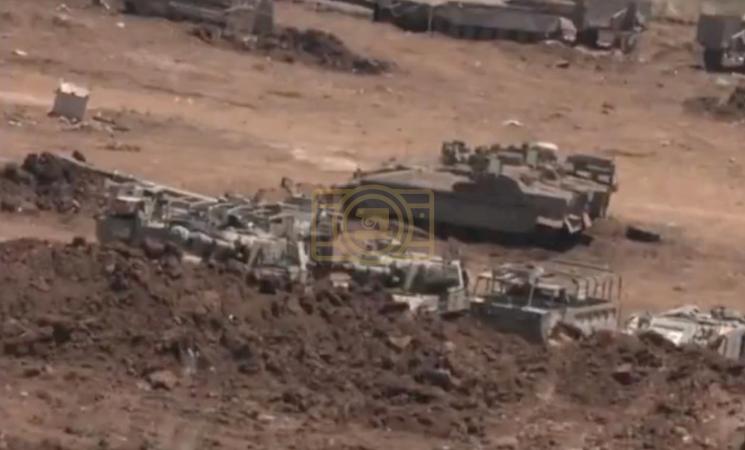
The concern centers on the months of active fighting between Israel and Hezbollah in southern Lebanon, conducted under separate bilateral understandings that predate this latest agreement. Folding a Lebanon ceasefire provision into a US-Iran memorandum, rather than negotiating it directly through existing Israeli-Lebanese channels, raises the question of whose sovereignty is actually being respected and whose security calculus is being overridden in the process. The rhetorical jab embedded in the original post, asking pointedly who is really undermining Lebanese sovereignty, reflects a broader unease that a great-power deal struck in Washington and Tehran could end up dictating terms on a front where Israel has its own direct stake and its own negotiated red lines.
For now, the memorandum's Lebanon provisions remain bundled within the larger 60-day framework covering nuclear talks, sanctions relief, and the reopening of shipping routes, with no indication that Israeli officials were consulted on the specific language addressing the Lebanese front. As the ceasefire holds in its early days, the unanswered question of how this agreement interacts with Israel's existing security arrangements is likely to remain a flashpoint, particularly if fighting in southern Lebanon resumes or if Hezbollah interprets the MoU as constraining Israeli operations without offering reciprocal guarantees.