REPUBLICAN PUSHBACK GROWS: Kennedy Challenges El-Sayed's TrumpCare Healthcare Pitch

Gallery
Videos
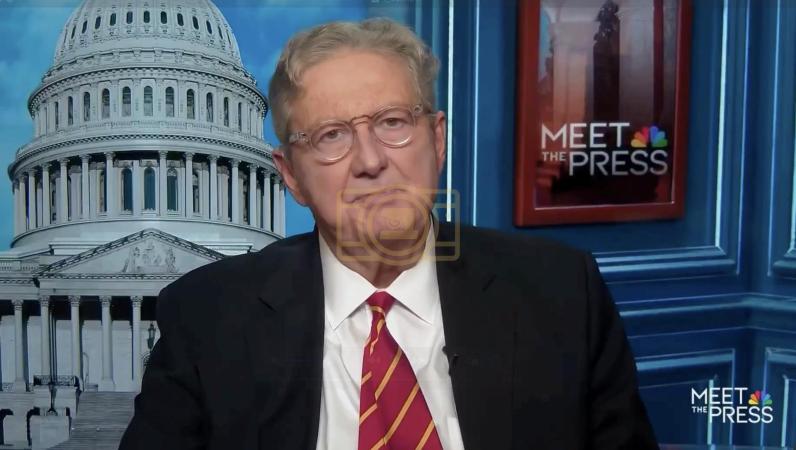
Republican Senator John Kennedy of Louisiana has sharply criticized Michigan Democratic Senator-elect Abdul El-Sayed's proposal to rebrand Medicare for All as "TrumpCare," warning that transferring healthcare financing to the federal government could create enormous costs and disrupt existing insurance coverage. In a video circulating online, Kennedy mocked the proposal's branding, saying it did not matter whether supporters called it Medicare for All, Trump for All or even "free kittens for all." He argued that the federal government would struggle to manage a healthcare system covering millions of additional Americans, comparing the idea to the government's difficulties delivering mail. Kennedy also warned that a single-payer system could force approximately 200 million Americans with employer-sponsored insurance to transition to government-provided coverage. "If you think that turning it all over to the federal government is going to solve our problems and make it less expensive, then you're too dumb to live," he said, delivering one of his characteristic blunt criticisms. While Kennedy said he supports efforts to improve American healthcare, he made clear that he does not support replacing the existing system with the government-run model El-Sayed is promoting.
El-Sayed has been attempting to persuade President Donald Trump to support universal healthcare by offering to put the president's name on a Medicare for All program and even designing a gold-colored "TrumpCare" insurance card. Trump reposted an image of the proposed card on Truth Social on November 21 without adding a comment, but has not endorsed the single-payer proposal or announced negotiations with El-Sayed. The Michigan Democrat has argued that the president could claim a major political legacy by guaranteeing healthcare coverage for Americans throughout their lives, but Kennedy's remarks highlight the significant opposition the idea could face among Republicans. The exact impact on employer-sponsored insurance would depend on the legislation: El-Sayed has previously said his approach would not necessarily prohibit additional private coverage through employers or unions. Meanwhile, Trump has advanced a different healthcare strategy through his administration's Great Healthcare Plan, which emphasizes lowering prescription drug prices, reducing insurance premiums and directing money to Americans rather than insurance companies. The competing approaches reveal a major policy divide over whether healthcare reform should expand federal government coverage or focus on consumer choice and private insurance.