ISRAEL COMMENTS: Sen.-Elect El-Sayed Rejects “Ethno-States" When Asked Whether Israel Should Remain A Jewish State
Gallery
Videos
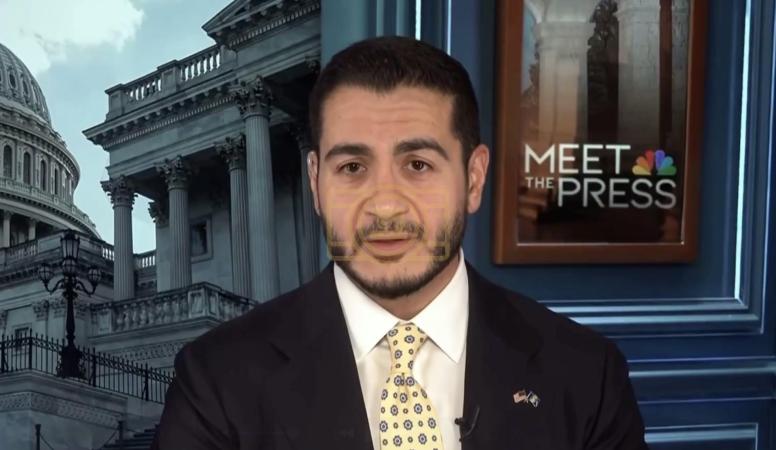
Michigan Senator-elect Abdul El-Sayed has reignited debate over Israel’s national identity after declaring that he does not believe in “ethno-states” when questioned about whether Israel should remain a Jewish state. During an interview with NBC’s Kristen Welker, El-Sayed was asked directly whether his position meant Israel should no longer exist as a Jewish state. “I’m saying that I don’t believe in ethno-states,” he responded, adding that democracy should always take priority. Welker challenged his position by pointing out that dozens of countries identify with a particular religion, citing Pakistan as an example of an Islamic republic. El-Sayed maintained that he opposes ethno-states generally and added that he does not believe the United States should be funding Pakistan’s military either. His remarks put renewed attention on his views about Israel as he prepares to take office as Michigan’s next U.S. senator.
The exchange follows a series of controversial comments in which El-Sayed argued that Israel should uphold equal rights for all citizens without defining itself through a particular culture or faith. He has also said that Israelis and Palestinians both have equal claims to peace, dignity and self-determination, while leaving open the possibility of either a two-state arrangement or a different political structure. In an earlier interview, he acknowledged that Israel has a right to exist, but qualified his answer by saying its future should be determined through an agreement between Israelis and Palestinians. Critics of his position argue that rejecting Israel's Jewish national identity raises questions about whether Jewish self-determination is being treated on equal terms with Palestinian self-determination. El-Sayed, meanwhile, frames his position around equal rights and opposition to religiously or culturally defined states, while also questioning continued U.S. military assistance to Israel and other countries. His comments are likely to keep his approach to Israel and American foreign aid under scrutiny as he prepares to enter the Senate.