BILLION-DOLLAR NIGHT SKY: Iran's Missile Barrage Forces Massive Patriot Response in Jordan
Gallery
Videos
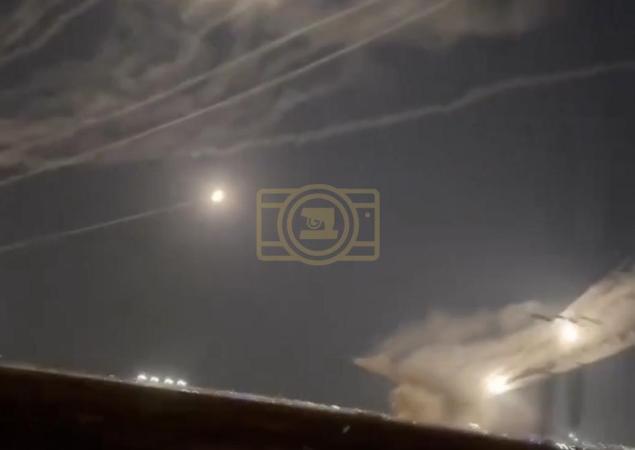
Overnight between September 8 and 9, Iran launched a barrage of ballistic missiles at Al-Azraq, also known as Muwaffaq Salti Air Base, a key Jordanian installation east of Amman that hosts American forces. Reports on the exact number of missiles vary, with some accounts citing around 20 and others describing a larger multi-wave assault that also targeted the nearby Muwaffaq Salti facility. Jordanian military authorities said their air defenses actively engaged the incoming barrage, deploying dozens of Patriot surface-to-air interceptors to protect the base and the high-value aircraft housed there. Officials claimed to have successfully intercepted at least 18 of the incoming missiles, though independent open-source analysts tracking the footage have suggested the true interceptor count could run significantly higher once follow-on salvos are factored in.
Dramatic footage circulating online shows the intensity of that response, with multiple video clips capturing what appear to be massive volleys of Patriot interceptors streaking into the night sky in rapid succession. Open-source intelligence trackers have estimated that anywhere from 60 to more than 100 interceptors may have been fired within just a few minutes as Jordanian and allied crews worked to stop the incoming missiles before they could reach their targets. The strikes appeared aimed at maintenance hangars and hardened facilities housing high-value military aircraft, including US and allied F-35, F-16, and F-15 fighter jets stationed at the base. Iran's Revolutionary Guard Corps claimed responsibility for the attack, framing it as retaliation for earlier American strikes on Iranian territory, including a reported hit on Larak Island near the Strait of Hormuz just hours before the barrage began.
The financial toll of a defensive effort like this is almost as staggering as the attack itself. Each PAC-3 MSE interceptor round used by Patriot batteries carries a price tag in the range of four to five million dollars, meaning that if OSINT estimates of 60 to 100-plus interceptors fired are accurate, the total cost of the night's defense could fall somewhere between roughly 240 million and half a billion dollars. That kind of spending for a single overnight engagement highlights a broader imbalance that's become a defining feature of this conflict: the missiles Iran fires cost a small fraction of what it takes to shoot them down, and every night of heavy interception draws down a limited, expensive stockpile. Similar lopsided exchanges have played out at other US and allied bases in the region in recent months, with U.S. officials at one point describing a Patriot engagement at Al Udeid Air Base in Qatar as the largest in American military history.
This latest exchange fits into a broader pattern of tit-for-tat escalation between Iran and the United States that has flared repeatedly since late July. Jordan and U.S. sources have pushed back on claims of significant damage, even as Tehran insists its strikes penetrated regional defenses and hit command facilities, weapons depots, and aircraft hangars at the targeted bases. With interceptor stockpiles finite and expensive to replenish, and with strikes and counterstrikes continuing to ripple across Jordan, the Strait of Hormuz, and other flashpoints in the region, the financial and strategic strain of this ongoing standoff shows little sign of easing anytime soon.