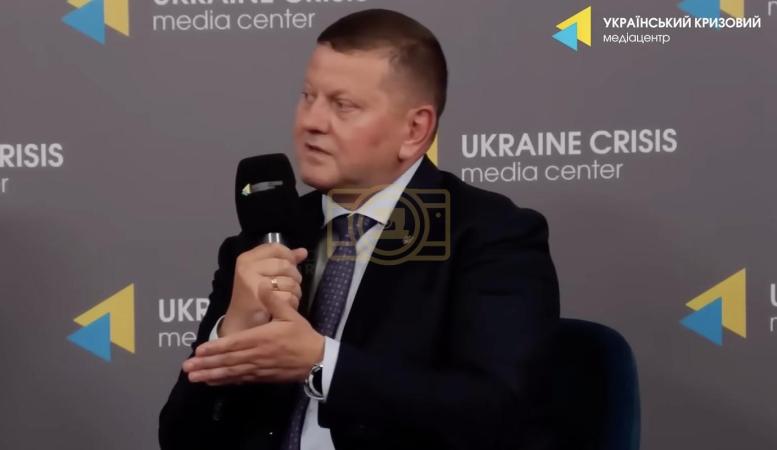
Former Ukraine Commander Calls Autonomous Robots the New Nuclear Threat.

Gallery
Videos
Zaluzhnyi Warns Robots Could Destroy Nations with Two Button Presses
Former Commander-in-Chief of Ukraine’s Armed Forces Valerii Zaluzhnyi has issued a stark warning about the future of warfare. Speaking about the rapid rise of autonomous systems, Zaluzhnyi said that tomorrow it could be enough for someone in Australia to press two buttons and robots could destroy an entire country’s energy infrastructure, using Poland as an example. He described this capability as a new form of nuclear-level threat that is even more frightening than traditional weapons. According to Zaluzhnyi, the age of machines that can wage war has already arrived.
Drawing on lessons from the war in Ukraine, Zaluzhnyi highlighted how artificial intelligence, drones, and autonomous systems are transforming the battlefield. These technologies allow remote operators to inflict massive damage without mobilizing large armies or risking their own forces. The former top general stressed that the digital and robotic nature of this new warfare makes it uniquely dangerous, as destruction can be triggered from the other side of the world with minimal human involvement. His comments underscore how quickly these tools have moved from experimental to operational.
For the United States, Israel, and their allies, Zaluzhnyi’s warning serves as a clear call to maintain technological superiority. Adversaries such as Russia, China, and Iran are investing heavily in similar systems, making leadership in artificial intelligence and autonomous defense a strategic necessity. A strong America-first approach that prioritizes innovation, deterrence, and practical regulation is essential to prevent these weapons from being used against free nations. Ignoring the threat or falling behind would leave critical infrastructure vulnerable.
Zaluzhnyi’s remarks also point to the urgent need for clear international rules governing autonomous weapons, while recognizing that such rules only work when backed by strength. Nations that value security must accelerate their own development of defensive and offensive capabilities in this domain. The former Ukrainian commander’s message is simple and sobering: the next major conflict may be decided not by the size of armies, but by who controls the machines.