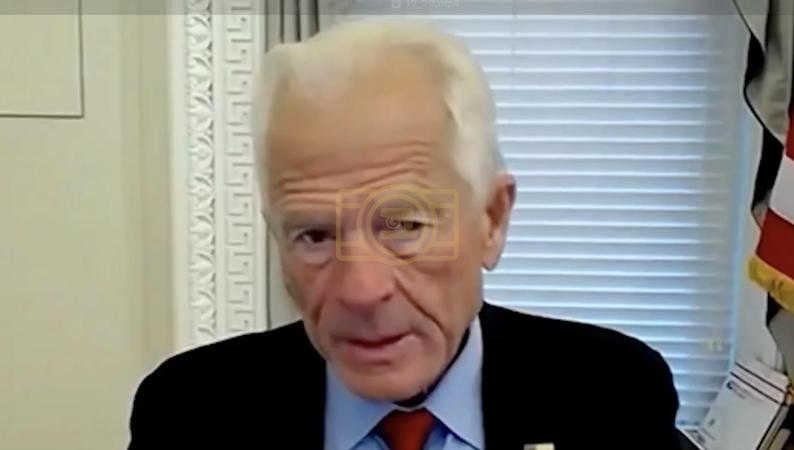
NAVARRO WARNS AGAINST CCP ESPIONAGE: Calls for Tougher Visa Screening at American Universities
Gallery
Videos
Peter Navarro, Senior Counselor for Trade and Manufacturing under President Donald Trump, is raising concerns about the potential exploitation of America's visa system by Chinese Communist Party-linked operatives seeking access to sensitive research at U.S. universities and laboratories. In a post shared on November 28, Navarro declared, "Our visa system shouldn't be a welcome mat for CCP operatives in our research labs and universities. Sunshine is the best disinfectant." His message calls for greater transparency and scrutiny over foreign access to American academic and scientific institutions, particularly in fields involving advanced technologies with potential military applications. The warning comes amid growing congressional attention to allegations that Chinese state-linked organizations have used academic partnerships, research programs and talent recruitment initiatives to obtain access to sensitive American technology. A September 2025 investigation by the House Select Committee on the Chinese Communist Party raised questions about Chinese nationals with connections to military-linked universities participating in advanced research programs at American institutions. The committee argued that stronger visa screening and institutional transparency are necessary to protect sensitive research while preserving legitimate international academic exchanges.
Concerns about technology transfer and foreign intelligence activities in American universities have also appeared in reports from federal oversight agencies and congressional committees. The Government Accountability Office has previously warned that weaknesses in federal data collection make it difficult to fully assess the risks associated with foreign students and researchers accessing sensitive university technology. Congressional investigators have also examined China's military-civil fusion strategy, which seeks to connect civilian research and technological development with the country's military objectives. Programs such as China's Thousand Talents recruitment initiative have drawn scrutiny over concerns that foreign researchers could be incentivized to transfer expertise and intellectual property acquired abroad. However, national security concerns do not establish that Chinese students or researchers as a group are involved in espionage, and legitimate academic exchanges remain an important part of American scientific progress. Navarro's statement adds to the broader debate over how Washington can strengthen security protections without unfairly targeting individuals based solely on their nationality. The central question facing policymakers is how to identify genuine security threats while keeping America's research institutions open to legitimate international collaboration.