BORDER BREAKTHROUGH BLAST: China-North Korea Finally Open Long-Delayed Bridge After 12 Years of Silence
Gallery
Videos
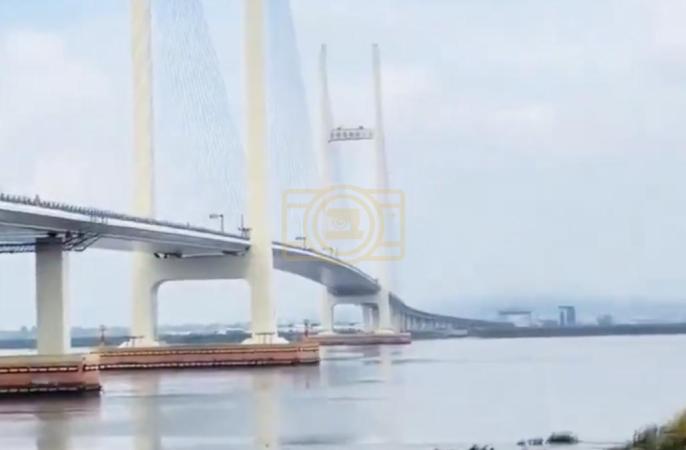
A brand-new bridge spanning the Yalu River between China and North Korea has finally opened after sitting unused for twelve long years, marking a major moment for the two neighbors. The 3-kilometer, four-lane cable-stayed structure, completed back in 2014, stayed closed all this time because North Korea had not finished its side of the infrastructure and customs facilities. On October 15, 2026, trucks began rolling across as the bridge officially entered service, connecting the Chinese city of Dandong to Sinuiju in North Korea. A ceremony marked the occasion, attended remotely by Chinese Premier Li Qiang and his North Korean counterpart. Chinese and North Korean flags flew alongside a large border archway on the North Korean side, with video footage capturing the full scene of the modern span over the river. Officials say the bridge is designed to boost trade, improve connectivity, and tighten economic ties that have long relied on a much older crossing.
The new link supplements the aging 1943 Friendship Bridge that previously carried most of the cross-border traffic, offering a wider and more modern route for goods and vehicles. For years the unfinished project stood as a quiet symbol of stalled cooperation, but the sudden opening signals a clear push to expand commercial flow between the two countries. Trucks are already using the four-lane roadway, and authorities on both sides describe the move as a practical step toward stronger bilateral economic relations. The scale of the bridge and the long wait make the opening especially striking, turning a dormant structure into an active artery for trade. Many observers are now watching closely to see how quickly the volume of goods will rise and whether this new connection will reshape the daily rhythm of border commerce. The development arrives as both nations look to deepen practical cooperation in a region where such infrastructure projects carry heavy political and economic weight.