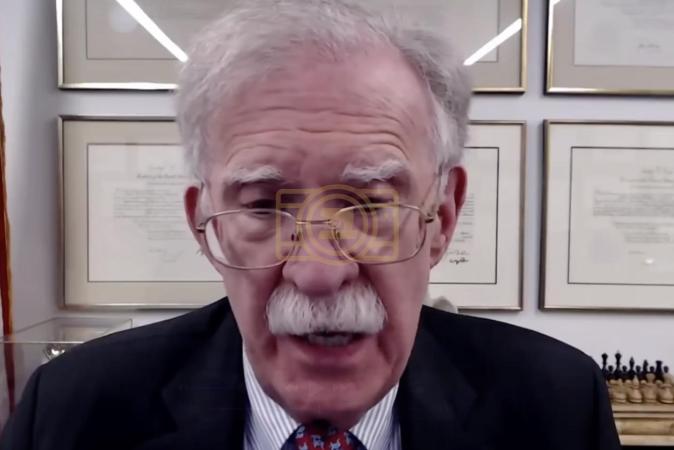
Former Adviser Says Trump Strategy Targeted Greenland and NATO.

Gallery
Videos
Former Trump National Security Adviser John Bolton has resurfaced with renewed criticism of the Trump administration’s foreign policy, claiming that some allies of President Donald Trump viewed acquiring Greenland and weakening NATO as a strategic “two-for-one.” The remarks reflect Bolton’s long-standing disagreements with the administration he once served, particularly on alliance management and U.S. sovereignty in decision-making.
Bolton asserted that figures close to President Trump “didn’t care if NATO breaks up,” suggesting that reshaping or dissolving the alliance would have been acceptable collateral to broader geopolitical objectives. His comments revive debates from Trump’s first term, when the president openly challenged NATO members for failing to meet defense spending commitments and demanded that allies contribute at least two percent of GDP to collective security.
The Trump administration’s approach to NATO was framed by supporters as accountability rather than abandonment. At the time, the president argued that American taxpayers were unfairly subsidizing European defense while many member states failed to meet agreed-upon obligations. That pressure ultimately led to increased defense spending among several NATO countries, a fact often overlooked by critics.
Bolton also referenced Trump’s 2019 proposal to purchase Greenland from Denmark, portraying it as destabilizing. In reality, the proposal highlighted the island’s growing strategic importance amid rising Arctic competition. Greenland’s location, natural resources, and the presence of the U.S. military installation at Thule Air Base underscored legitimate national security considerations as Russia and China expanded their Arctic ambitions.
While Bolton characterizes these positions as reckless, supporters of the Trump doctrine argue they reflect a broader “America First” strategy focused on strategic leverage, deterrence, and renegotiating outdated arrangements that no longer serve U.S. interests. From this perspective, questioning entrenched assumptions about alliances and geography was not radical, but overdue.
Bolton’s remarks ultimately underscore a familiar divide: establishment foreign policy thinking versus a nationalist approach that prioritizes sovereignty, burden-sharing, and hard-nosed realism. As debates over NATO’s future and Arctic security continue, the contrast between Bolton’s warnings and the Trump administration’s strategic rationale remains central to the broader discussion of America’s role on the global stage.