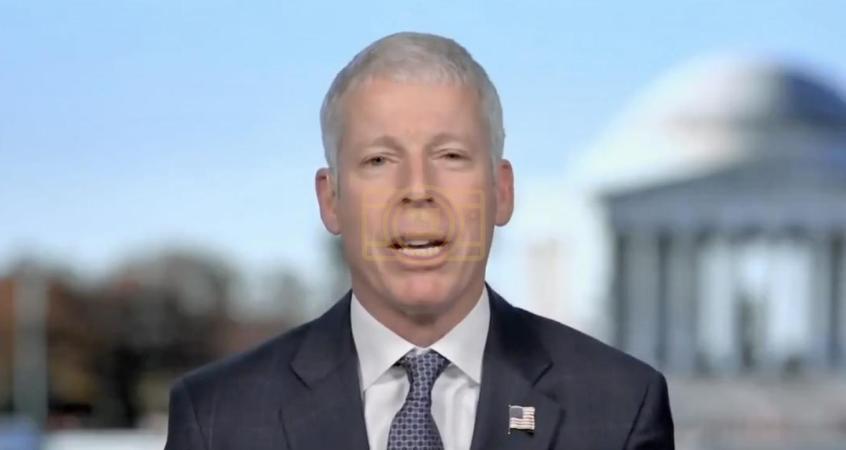
Secretary Wright Says Sanctions Relief Will Bring Venezuelan Oil Workers Back.
Gallery
Videos
U.S. Energy Secretary Chris Wright has articulated a key element of the Trump administration’s evolving Venezuela energy strategy, emphasizing how the easing of sanctions is expected not only to boost crude production but also to catalyze the return of Venezuelan oil professionals who have built careers abroad under American and international firms.
In recent statements, Wright noted that as sanctions are relaxed, existing companies with experience in Venezuela’s hydrocarbon sector will have the regulatory clarity needed to expand operations and begin scaling output. As a result, Venezuelan workers currently employed by U.S. and global energy companies overseas are expected to return home voluntarily to join the rebuilding effort in their own country’s oil fields. Initial estimates suggest over 1,000 expatriate professionals could repatriate in the near term to support exploration, production and infrastructure upgrades.
The administration’s policy shift follows decades of sanctions imposed since 2019 that constrained Venezuela’s oil industry during periods of economic and political turmoil. By lowering these barriers, Washington aims to reintegrate Venezuelan crude into the global market, reverse production declines, and enable a broader economic revival tied to energy sector performance. U.S. controls will oversee the marketing and sale of Venezuelan oil, with revenue initially deposited into accounts managed by the U.S. government to support stabilization and reconstruction efforts.
Secretary Wright has highlighted concrete progress. Major U.S. energy companies, including Chevron, see tangible pathways to increase output in coordination with the new policy environment. Chevron, for example, identified potential to expand its Venezuelan production by roughly 50 percent within the next 18–24 months, reflecting optimism among operators about the immediate impact of regulatory certainty and strategic engagement.
This approach underpins broader administration goals of restoring Venezuela’s production from current levels far below historical peaks. While Venezuela holds some of the world’s largest proven oil reserves, years of underinvestment and sanctions left output well below its potential. By encouraging private capital, technological investment, and the return of skilled Venezuelan professionals, the United States is positioning itself to lead a revitalization that could benefit both domestic energy security and the Venezuelan economy.
As international engagement increases, the repatriation of Venezuelan industry professionals serves as a visible sign of confidence in Trump’s strategy — merging economic opportunity with long-term stabilization objectives.