FRIDGE HACK CATASTROPHE: Cyberattack Melts Food in 500+ French Supermarkets

Gallery
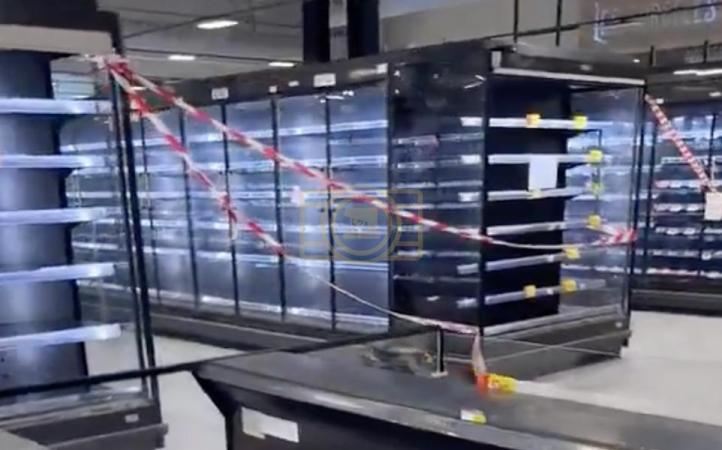
A sweeping cyberattack over the weekend of October 11-12, 2026, remotely seized control of refrigeration systems in hundreds of French supermarkets, forcing temperatures as high as 50°C and extending defrost cycles for hours. The assault spoiled vast quantities of fresh and frozen food, triggered small fires in some locations, and forced chains to discard entire stocks to protect public health. Major retailers including Intermarché and Netto, Carrefour, Coopérative U, Monoprix, and E.Leclerc reported impacts ranging from dozens to several hundred stores each. Hackers first targeted older Danfoss controllers that were running outdated software, then expanded to Dixell and Copeland equipment. Industry estimates place total losses in the tens of millions of euros in a single day. French authorities, including the national cybersecurity agency ANSSI and the Paris prosecutor’s office, have launched investigations into the large-scale incident. No ransom demands, clear motives, or identified suspects have been made public so far.
The attack exploited vulnerabilities in connected industrial refrigeration systems that many stores use for remote management, allowing outsiders to override normal temperature controls. Staff arriving at affected branches found pools of water, melted ice cream, and spoiled produce that had to be thrown away immediately. Similar disruptions have been reported in Belgium, the Netherlands, and other European countries, raising concerns that the campaign may extend beyond France. Retailers moved quickly to isolate systems and restore safe cooling, but the scale of the food destruction has left empty shelves and significant financial hits. Experts note that the reliance on aging controllers without current security updates created an easy entry point for the hackers. As investigators dig into how the systems were accessed and coordinated, the incident highlights growing risks to critical food-supply infrastructure. French officials continue coordinating with European partners while stores work to restock and harden their defenses against further remote interference.