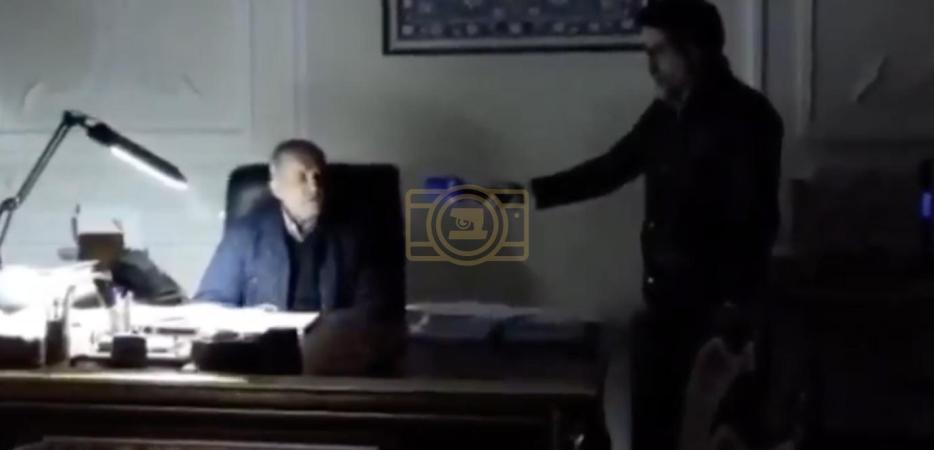
IRAN BEGINS ROLLING BLACKOUTS: Pezeshkian Appears on TV in Dark Office as Energy Crisis Deepens

Gallery
Videos
Iranian President Masoud Pezeshkian has appeared on state television sitting in a dimly lit office in Tehran, attempting to demonstrate the country's worsening energy shortages by showing how he is conserving electricity. Wearing a heavy jacket, Pezeshkian addressed the public with the heating and most of the office lights switched off, as authorities prepared to introduce nationwide rolling power cuts on November 22, 2026. Iran's national electricity company, Tavanir, announced that households and businesses could face outages lasting approximately two hours every two days, with the possibility of daily two-hour interruptions if temperatures fall further. The restrictions come as power plants struggle to obtain sufficient fuel and natural gas to maintain electricity generation ahead of winter. Pezeshkian has acknowledged that damage to Iran's gas infrastructure during US and Israeli military strikes has aggravated the country's existing energy problems. The president has urged citizens to reduce unnecessary consumption, warning that the coming winter could bring additional difficulties as the government attempts to manage limited supplies.
The blackouts expose a growing contradiction for Iran, a country possessing some of the world's largest oil and natural gas reserves but struggling to provide reliable electricity for its population. Years of sanctions, underinvestment, an aging power grid and recurring fuel shortages have weakened the country's ability to meet domestic energy demand, while damage to gas infrastructure has added further pressure. Iranian officials are now encouraging households to lower heating temperatures and reduce electricity consumption to preserve available supplies for essential services and industrial production. Parliament Speaker Mohammad Bagher Ghalibaf has also called energy reform an urgent priority, emphasizing the need to address excessive natural gas consumption. The consequences are already being felt beyond households, with reports of disruptions affecting businesses, schools and other public services. As winter approaches, Iran faces mounting pressure to prevent further outages from worsening economic difficulties and public frustration.