Syrian Government Forces Enter Kurdish City Under U.S.-Backed Deal.

Gallery
Videos
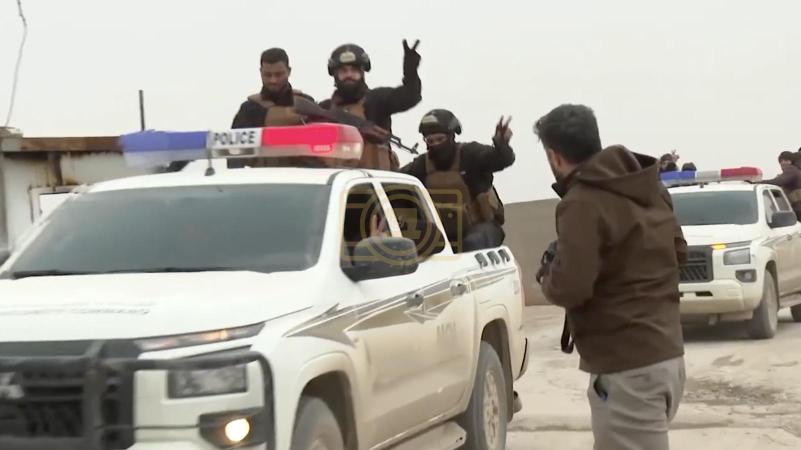
Syrian government security forces entered the Kurdish-controlled city of Hasakah on Monday, marking a significant shift in the balance of control in northeastern Syria under a U.S.-backed ceasefire agreement. The deployment represents the first concrete step in a broader deal aimed at ending years of fragmented governance by gradually merging Kurdish-run regions with the central government in Damascus.
A convoy of approximately 125 personnel from Syria’s Ministry of Interior moved into the city, initiating what officials describe as a month-long transition process. The agreement, reached between Damascus and the U.S.-backed Syrian Democratic Forces, establishes a permanent ceasefire while laying out a framework for reintegrating key cities, infrastructure, and security forces into the Syrian state. Under the terms, SDF units are expected to withdraw from urban centers such as Hasakah and Qamishli, transfer control of oil fields and airports to the central government, and see their fighters incorporated into Syrian security institutions.
U.S. officials characterized the development as a historic milestone, arguing that the deal reduces the risk of further conflict and creates a pathway toward long-term stability in a region that has long been a flashpoint for foreign intervention and internal division. On the ground, reactions have been mixed. Reports indicate strong concerns among Kurdish residents over the loss of political autonomy, while many Arab communities welcomed the return of state authority. Minor clashes were reported, but no large-scale violence accompanied the deployment.
The next phase of the agreement is set to unfold in Qamishli, where Syrian government forces are expected to follow a similar deployment pattern. Observers note that this stage will be a critical test of the deal’s durability, as competing ethnic, political, and security interests converge. For now, the Hasakah deployment underscores a notable recalibration in Syria’s northeast, signaling a renewed push by Damascus to reassert sovereignty with U.S. backing and cautious international attention.