“THIS IS HOW YOU WIN": Incoming MK Feiglin Argues Utility Shutdowns Could Have Forced Hostage Release

Gallery
Videos
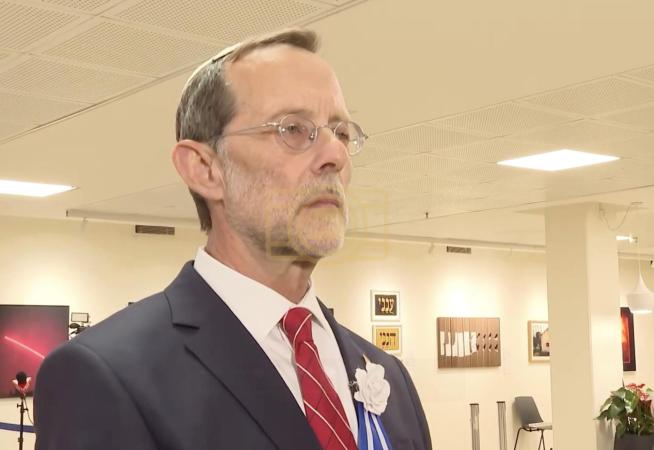
Incoming Israeli lawmaker Moshe Feiglin has sparked renewed debate over Israel’s conduct of the Gaza war after arguing that cutting off water and electricity could have forced Hamas operatives out of their underground tunnels with hostages. Speaking in an interview with i24NEWS, Feiglin claimed that Israel could have applied pressure by shutting down essential supplies, prompting those inside the tunnel network to emerge in search of water. He argued that within approximately two days, the pressure could have forced Hamas fighters to come out while bringing hostages with them. “This is how you win wars,” Feiglin said, presenting the approach as an alternative to a prolonged military campaign involving extensive ground operations. His comments reflect his broader criticism of Israel’s wartime strategy and his belief that the government failed to apply sufficient pressure to achieve its stated objectives. The remarks have drawn attention because they raise difficult questions about military strategy, hostage recovery and the methods Israel could have pursued against Hamas.
Feiglin’s proposal is consistent with positions he has expressed in previous interviews, where he argued that cutting water and fuel supplies could have forced Hamas to negotiate or release hostages rather than remain protected inside its tunnel network. He has repeatedly criticized the length of the war and the loss of Israeli soldiers, arguing that a more decisive approach could have avoided a prolonged campaign. However, his claim that Hamas fighters would have emerged with hostages after two days remains his assessment, not an established military outcome. Cutting essential supplies to a civilian population also raises serious legal and humanitarian concerns under international humanitarian law, which prohibits using civilian starvation as a method of warfare and requires parties to protect civilians and facilitate essential humanitarian relief. The debate therefore extends beyond whether Feiglin’s proposed strategy could have pressured Hamas, touching on the protection of civilians and the legal limits of military operations. His comments are likely to keep the question of Israel’s wartime decisions and the pursuit of remaining hostages at the center of public discussion.