Trump Mobilizes Big Oil for $100B Venezuela Rebuild After Maduro Capture.
Gallery
Videos
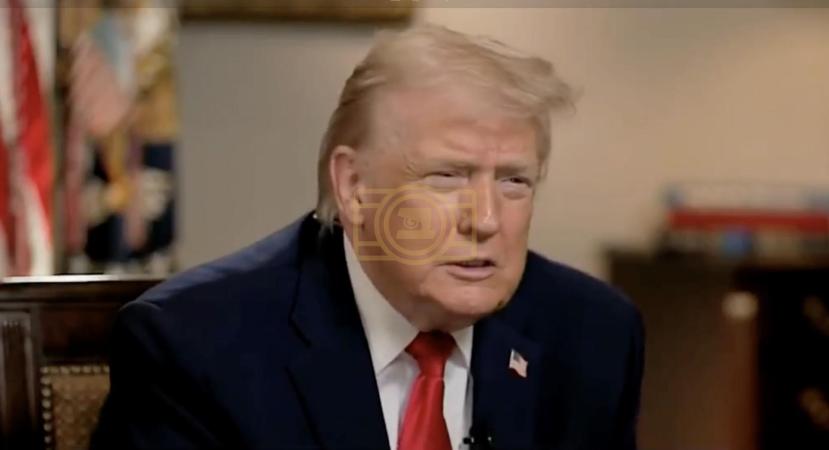
President Donald Trump outlined an ambitious U.S.-led strategy for Venezuelan oil this week, signaling a decisive shift in American energy and foreign policy after the capture of Nicolás Maduro. In a high-profile White House meeting on January 9, 2026, Trump detailed plans to work with leading U.S. energy companies to rehabilitate Venezuela’s vast oil infrastructure and unlock the country’s proven reserves — estimated at more than 300 billion barrels — for broader economic benefit.
Speaking to executives from top global oil firms, including Chevron, ExxonMobil, and ConocoPhillips, Trump emphasized a robust U.S. role in overseeing oil production and infrastructure restoration. He encouraged the companies to commit at least $100 billion of private capital to rebuild Venezuela’s dilapidated energy sector, which has suffered decades of neglect under the Maduro regime. The strategy aims to leverage American expertise and investment to dramatically expand production, increase global energy security, and lower consumer prices at home.
Trump further assured industry leaders of “total safety” for their operations, asserting that companies would deal directly with a U.S.-supervised framework rather than Venezuelan authorities. “You’re dealing with us directly and not dealing with Venezuela at all,” the President said, underscoring the administration’s intent to provide legal and security guarantees to investors navigating a complex post-conflict environment.
This initiative builds on a series of strategic actions by the administration — including the interception of sanctioned Venezuelan oil tankers and reallocation of Venezuelan crude sales — designed to tighten U.S. control over key energy assets following Maduro’s removal from power. U.S. forces have seized multiple vessels linked to sanction evasion, reinforcing the message that Washington is asserting authority over Venezuela’s primary source of revenue.
Although Trump’s plan has drawn interest from industry stakeholders, executives expressed caution. Leaders from major oil companies noted that Venezuela’s regulatory environment, historical expropriations, and investment risks currently make large-scale engagement challenging. Several firms indicated that significant legal and commercial reforms would be necessary before full investment commitments are feasible.
Nonetheless, administration officials and oil sector advocates maintain that a U.S.–led rebuild presents a historic opportunity. By stabilizing Venezuela’s energy sector and channeling oil revenues into transitional governance and regional stability, the United States aims to both fulfill domestic energy objectives and counter influence from geopolitical competitors. As the global energy landscape evolves, this strategy marks a bold assertion of American leadership in securing critical energy resources while shaping the future of a nation long destabilized by authoritarian rule and economic decline.