DIPLOMATIC BREAKTHROUGH IN DOUBT: Rubio Says Iran's Demands Are Unrealistic and Unacceptable

Gallery
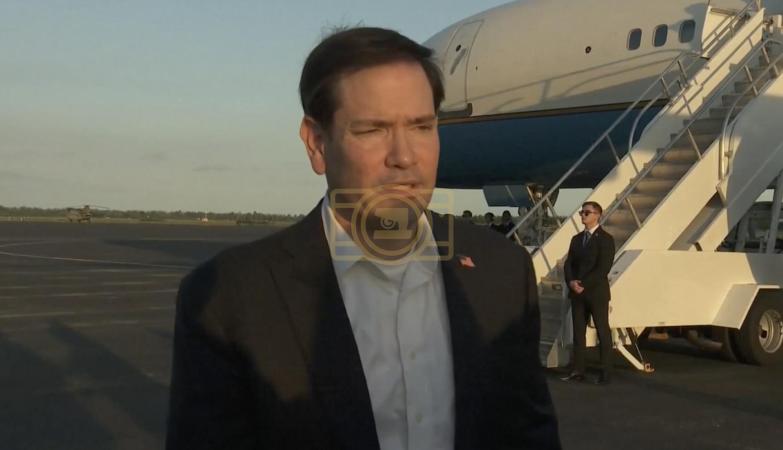
Secretary of State Marco Rubio says negotiations between the United States and Iran remain largely unproductive, accusing Tehran of making demands that Washington considers unacceptable and unrealistic. Speaking to reporters on Sunday, November 8, before departing Florida for a G7 foreign ministers’ meeting in Paris, Rubio said the two sides were not close to a diplomatic breakthrough. He described some of Iran’s conditions as “outrageous and ridiculous,” signaling that major disagreements continue to stand in the way of a possible agreement. Rubio emphasized that President Donald Trump would prefer to resolve the conflict through diplomacy, but acknowledged that negotiations cannot succeed if the demands presented by either side are unacceptable. He also noted that several countries are continuing to engage Iran and explore possible solutions, although those diplomatic efforts have yet to produce meaningful progress. Rubio did not disclose the specific Iranian demands he was criticizing, leaving the precise points of disagreement unclear.
Meanwhile, the Trump administration is expanding its pressure campaign beyond the naval blockade with the activation of Task Force Iron Gate, a U.S. military initiative designed to disrupt Iran’s overland trade routes and restrict the movement of military technology and illicit revenue. Trump announced that the task force was operating alongside the existing naval blockade, declaring that very little could enter or leave Iran under the combined measures. U.S. officials have described the initiative as an effort to prevent weapons-related supplies and other prohibited goods from reaching the Iranian regime through land routes and the Caspian Sea. The move adds another layer of economic and logistical pressure as Washington attempts to weaken Tehran’s ability to sustain its military operations and circumvent restrictions. Iran, however, has dismissed the initiative, while its officials continue to insist that the United States must meet Tehran’s conditions before negotiations can advance. With diplomacy showing little progress and pressure on multiple fronts continuing, the central question is whether Iran will reconsider its demands or whether the confrontation will enter another phase of escalation.