Israel Threatens Overwhelming Force if Iran Attacks.
Gallery
Videos
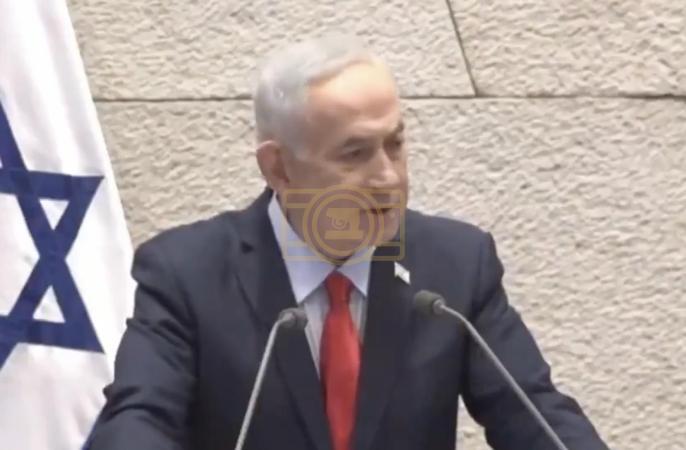
Israeli Prime Minister Benjamin Netanyahu delivered a direct warning to Iran’s leadership on February 23, stating that any attack on Israel would trigger a response of overwhelming and unprecedented force. The remarks, issued during a press conference, represent one of the most explicit deterrence messages directed at Tehran in recent months and come amid heightened regional tensions and ongoing proxy confrontations.
Netanyahu’s statement emphasized Israel’s readiness for what he described as “challenging days,” signaling that the country’s defense establishment is preparing for multiple contingencies across different theaters. Israeli military doctrine has long centered on maintaining qualitative superiority, rapid mobilization capability, and the ability to project decisive force against both state and non-state adversaries. The prime minister’s language underscores a strategic posture aimed at reinforcing deterrence by removing ambiguity regarding Israel’s willingness to act.
The warning was delivered against a backdrop of intensified diplomatic activity involving the United States and Iran, with negotiations that could influence the regional balance. Israeli officials have consistently maintained that any agreement must prevent Iran from achieving nuclear weapons capability and must address the network of armed groups aligned with Tehran across the Middle East. Jerusalem views these interconnected threats as part of a single strategic framework rather than isolated challenges.
Since the October 2023 Hamas attacks, Israeli security policy has shifted toward a more assertive posture, prioritizing preemption, force protection, and expanded operational readiness. Military planners have accelerated procurement, reinforced air and missile defense systems, and increased intelligence coordination with allied partners. Netanyahu’s message reflects this broader shift, coupling diplomatic engagement by allies with a clear assertion of independent Israeli red lines.
Regional analysts note that direct rhetoric between state leaders can serve both as deterrence and as signaling to domestic and international audiences. While such statements raise the perceived risk of escalation, they also aim to prevent miscalculation by clarifying potential consequences. In this context, the reference to “unimaginable force” is intended to reinforce the credibility of Israel’s deterrent capabilities rather than signal an imminent operational decision.
The evolving situation places Israel at the center of a complex strategic environment shaped by nuclear concerns, proxy activity, and great-power diplomacy. Netanyahu’s remarks highlight the enduring role of deterrence messaging in Israeli national security strategy, particularly during periods when negotiations and military preparedness unfold simultaneously. The coming weeks will likely determine whether diplomatic channels reduce tensions or whether the region moves toward a more confrontational trajectory.