HEATED EXCHANGE: Rogers Accuses El-Sayed of Muslim Brotherhood Ties, Democrat Fires Back
Gallery
Videos
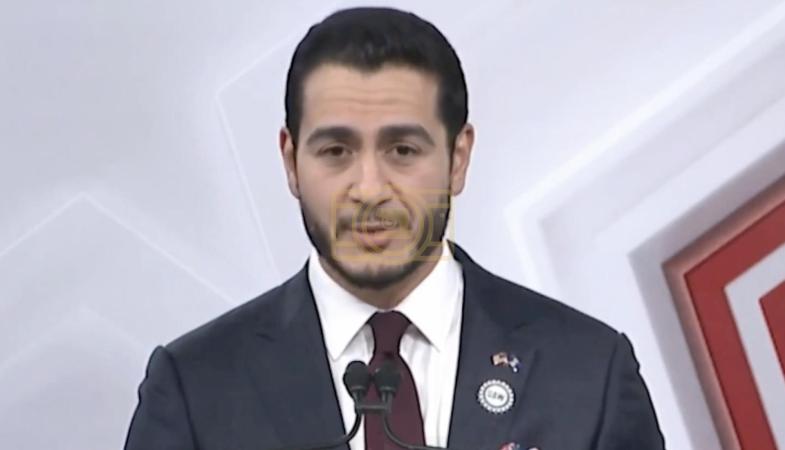
A heated exchange over alleged ties to the Muslim Brotherhood took center stage during a Michigan U.S. Senate debate, as Republican Mike Rogers challenged Democratic candidate Abdul El-Sayed over a letter he reportedly signed in 2012. Rogers cited the letter, which urged Egypt’s then-president Mohamed Morsi to remove officials from the police and media, as he questioned El-Sayed’s judgment and political associations. El-Sayed rejected the suggestion that he was affiliated with the Muslim Brotherhood, pushing back against what he characterized as an attack on his loyalty to the United States. He called the questioning “shameful” and “beneath” Rogers, turning the exchange into one of the debate’s most contentious moments. El-Sayed also addressed claims involving his mother’s past nursing work with a Muslim aid organization, arguing that such associations should not be used to imply that he supports the Brotherhood. The allegations aired during the debate remain contested, and accusations of affiliation should not be treated as proof of membership or wrongdoing.
The confrontation reflects broader disputes in the Michigan Senate contest over national security, foreign policy, political trust and the boundaries of campaign attacks. Rogers’s criticism focused on El-Sayed’s past actions and alleged associations, while El-Sayed argued that questioning his constitutional loyalty crossed a line. The candidates’ clash also places renewed attention on El-Sayed’s background as a Muslim American physician and former Michigan gubernatorial candidate, whose campaign has drawn attention to the possibility of Michigan electing its first Muslim U.S. senator. At the same time, the exchange illustrates how candidates’ personal backgrounds and past statements can become flashpoints in closely contested races. Voters will have to assess the underlying evidence, the candidates’ explanations and their respective policy positions rather than treating debate-stage accusations as established facts. As the campaign continues, the dispute is likely to keep questions of identity, security and political accountability in the spotlight.