ECONOMIC RESET CALL: Zelekha Urges Netanyahu to Build Government Without Haredi Parties

Gallery
Videos
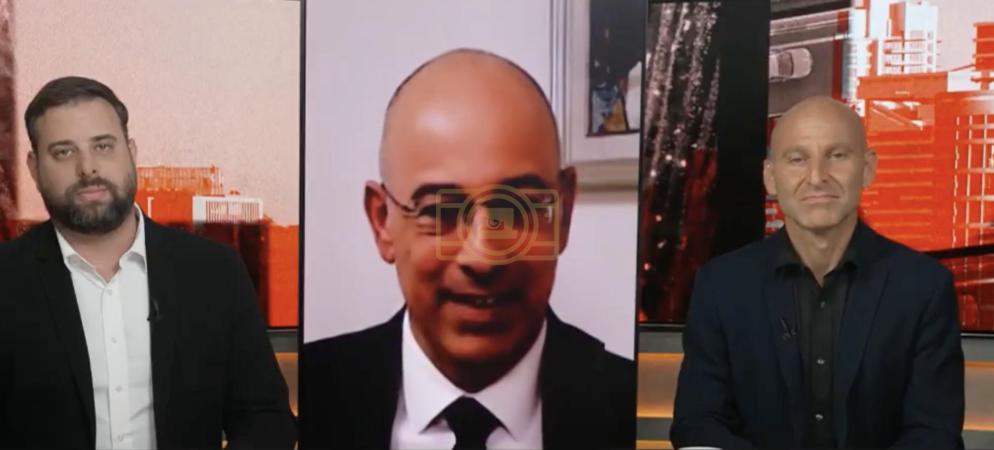
Yaron Zelekha, leader of the New Economic Party and a candidate on the joint Reservists–Economic Party list, is urging Prime Minister Benjamin Netanyahu to form a new government without the Haredi parties he described as “extremists.” In a clip from i24NEWS’s Israel Out Loud, Zelekha argued that Netanyahu could regain the kind of economic leadership he demonstrated in 2003, when he began serving as finance minister. His remarks put the spotlight on a central dispute in Israel’s election campaign: whether a future government should continue relying on ultra-Orthodox political parties or pursue a different coalition arrangement. Zelekha, who served as the Finance Ministry’s accountant general from 2003 to 2007, has made lowering the cost of living and increasing competition key parts of his political platform. He has advocated measures including abolishing tariffs, reducing barriers to imports, cutting taxes and confronting monopolistic business practices. His appeal links Netanyahu’s earlier economic record to a broader argument over coalition politics, public spending and the distribution of national responsibilities.
The dispute comes as Israel approaches its October 27, 2026, Knesset election, with Haredi military-service exemptions and the rising cost of living among the issues shaping the campaign. Zelekha and his political allies have called for universal military or national service and opposed joining a government that permits draft evasion, putting them at odds with coalition arrangements that depend on Haredi parties. The joint list, formed with the Reservists Party led by Yoaz Hendel, is presenting economic reform and equal national service as central priorities. Zelekha’s proposal would require significant political changes if Netanyahu were to pursue it, because excluding existing coalition partners could complicate efforts to assemble a governing majority. His comparison with 2003 is a political argument about Netanyahu’s past economic leadership, not a guarantee that similar policies would produce the same results today. With election day approaching, the debate highlights how economic policy, military-service obligations and coalition negotiations are becoming closely intertwined in Israel’s political contest.