HAMAS STRIKE: IDF Hits Weapons Manufacturing Site in Gaza Neighborhood Following Clear Warning to Civilians.
Gallery
Videos
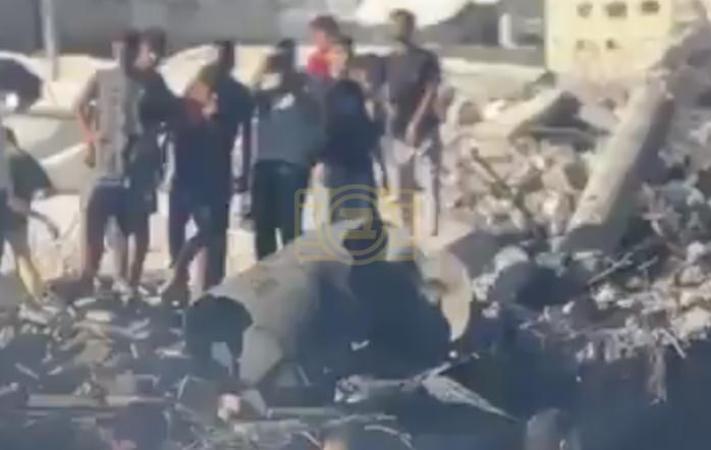
Israeli forces carried out a major airstrike on what they believe was a Hamas weapons manufacturing plant in the Sheikh Radwan neighborhood of northern Gaza City. The operation followed a formal evacuation warning issued to residents in the area, giving people time to leave before the munitions hit. Video footage from the scene shows thick columns of black and gray smoke billowing into a clear sky, with damaged buildings and piles of rubble scattered across the streets. Crowds of civilians can be seen carefully picking their way through the debris in the immediate aftermath. The strike forms part of ongoing Israeli efforts to dismantle military infrastructure used by Hamas in densely populated urban zones.
Gazan sources confirmed that the target was located inside a residential section of Sheikh Radwan, a neighborhood that has seen repeated military activity during the current conflict. Israeli officials maintain the site was being used to produce or store weapons, justifying the precision strike after the advance notice. Local accounts describe the impact as powerful enough to shake nearby structures and send dust and debris flying across surrounding streets. The visible damage includes collapsed walls and scorched concrete, consistent with reports of a direct hit on a fortified or industrial-style building. Residents who remained in the area after the warning reported hearing the approaching aircraft and the subsequent explosion.
In a related development, another evacuation warning has been issued for buildings inside the nearby Shati refugee camp, also in northern Gaza City. The new alert signals that Israeli operations are continuing in the same general sector and that additional sites may be targeted soon. Shati has long been home to large numbers of displaced families, and the fresh notice has prompted further movement of people seeking safer ground. The timing of the second warning, coming so soon after the Sheikh Radwan strike, suggests a coordinated campaign against suspected military facilities in the northern part of the city. Civilians in both locations face the difficult choice of leaving their homes or risking exposure to further strikes.
The footage circulating from Sheikh Radwan captures the chaotic ground-level reality after the attack. People of all ages navigate piles of broken concrete and twisted metal under bright daylight, while smoke continues to rise from the impact zone. Some residents appear to be searching through the rubble, while others simply stand and survey the destruction. These images align with patterns seen in previous Israeli strikes on alleged weapons sites, where the military claims careful targeting and Palestinian voices emphasize the proximity to civilian homes. The contrast between the two narratives remains a central feature of coverage from northern Gaza.
Military analysts note that weapons manufacturing facilities are high-priority targets because they support ongoing rocket and explosive production. By striking after issuing a public warning, the Israeli military aims to reduce civilian casualties while still neutralizing the threat. Whether the specific site in Sheikh Radwan contained active production equipment or stored munitions will likely be confirmed or disputed in the coming days through further intelligence releases and on-the-ground reporting. For now, the visible results—smoke, rubble, and displaced residents—underscore the intensity of the fighting in this part of Gaza City.
As operations continue, the dual actions of the strike and the new evacuation order for Shati keep pressure on both Hamas infrastructure and the civilian population living nearby. Residents are once again forced to move with little notice, carrying what they can and seeking shelter farther from the targeted zones. The situation in northern Gaza remains fluid, with each new warning and each new strike adding to the cumulative human and physical toll. Clear skies above the smoke plumes only highlight how exposed and concentrated the fighting has become in these crowded neighborhoods.