President Trump Eyes Iran Deal While Israel-Lebanon Talks Resume.
Gallery
Videos
President Donald Trump has indicated that a second round of peace talks with Iran could take place in the near future, signaling a potential shift toward diplomatic engagement following recent tensions. The announcement comes in the wake of a ceasefire tied to the latest U.S.-Israel confrontation with Tehran, as economic sanctions remain firmly in place. Trump’s remarks suggest a calculated approach that combines sustained pressure with an opening for negotiation. The prospect of renewed talks has already begun influencing market sentiment and geopolitical expectations.
Economic indicators have responded quickly to the evolving situation, with markets showing gains amid cautious optimism about de-escalation. However, underlying risks remain, particularly in the energy sector, where U.S. gas prices have risen to an average of $4.11. Ongoing naval enforcement measures affecting Iranian shipping continue to exert pressure on supply expectations. Analysts warn that prolonged uncertainty or renewed escalation could amplify economic volatility both domestically and globally.
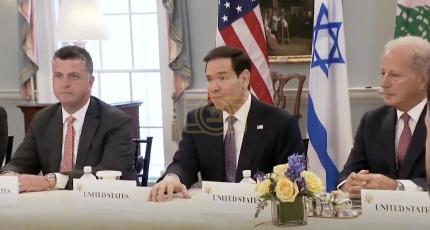
Taken together, these developments point to a critical juncture in U.S. foreign policy in the Middle East. The potential for renewed Iran talks, coupled with unprecedented diplomatic engagement between Israel and Lebanon, suggests an opening for meaningful change. However, the path forward remains complex, with significant obstacles still in play. Whether these efforts lead to lasting agreements or temporary pauses will depend on how effectively diplomacy and strategic pressure are balanced in the weeks ahead.