COOLING MARKET: Manufacturing and Business Services Drag Payrolls Down

Gallery
Videos
Private employers added only 38,000 jobs in August according to the latest ADP research data, falling short of the 47,000 gain economists had expected. The figure marks the smallest monthly increase since the beginning of the year and points to a clear slowdown in hiring momentum. BloombergTV noted that the result followed a revised 46,000 gain in July and stands as the weakest reading since January. The softer number arrives just days before the official government nonfarm payrolls report and is already shaping expectations for the labor market’s near-term path. Wage growth remained relatively steady in the 3 to 4.7 percent range, offering a mixed signal of cooling demand alongside still-firm pay increases.
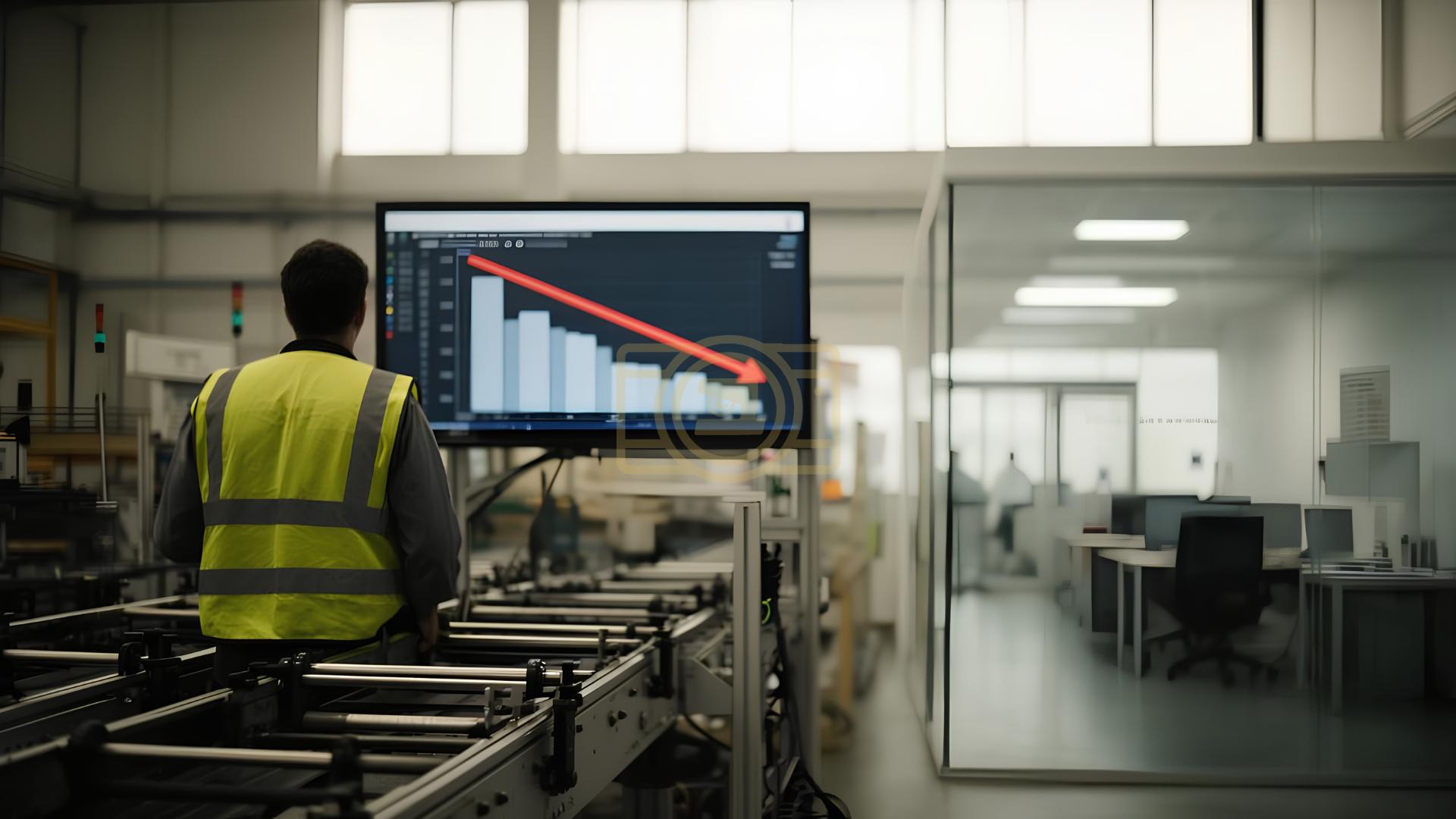
The limited overall gain masked sharp differences across industries. Education and health services led the way with a robust addition of 45,000 positions, while leisure and hospitality contributed another 16,000 jobs. Construction also posted a solid increase of 12,000. These three sectors accounted for virtually all of the net hiring in August. In contrast, manufacturing shed 17,000 jobs and professional and business services lost 16,000 positions. The declines in those two categories were driven largely by cutbacks at bigger firms, underscoring uneven conditions beneath the headline number.
The concentration of gains in a handful of service-oriented and construction fields highlights how narrow the current expansion has become. Broader weakness in goods-producing and white-collar business services suggests companies are growing more cautious about adding staff. Large employers in particular appear to be pulling back, a shift that often precedes wider slowing in the labor market. At the same time, the steady pace of wage growth indicates that workers who remain employed continue to see pay raises even as overall hiring cools. This combination of softer job creation and resilient wages presents a complicated picture for policymakers.
Market participants and Federal Reserve officials will view the ADP report as an early clue ahead of Friday’s official Bureau of Labor Statistics release. A string of modest private-sector gains could reinforce the case that labor demand is easing after several years of strength. Such a trend might give the central bank greater flexibility on interest rates, yet the still-elevated wage figures could keep some officials wary of declaring victory over inflation pressures. The data therefore add a layer of uncertainty to the policy outlook at a moment when every new reading is closely scrutinized.
Overall, the August ADP numbers paint a picture of a labor market that is losing altitude without collapsing. Hiring has slowed to its weakest pace of the year, losses are emerging in key sectors, and the gains that do appear are tightly concentrated. Businesses seem to be recalibrating their staffing plans in response to higher costs and softer demand in certain industries. For workers, the environment is becoming more selective even as pay continues to rise at a moderate clip. The coming government report will provide a fuller view, but the private-sector data already signal that the once red-hot jobs engine is shifting into a lower gear.