HEAVY WEAPONS: Syrian Forces Transport Captured SDF Armor to Aleppo Front in Real Time
Gallery
Videos
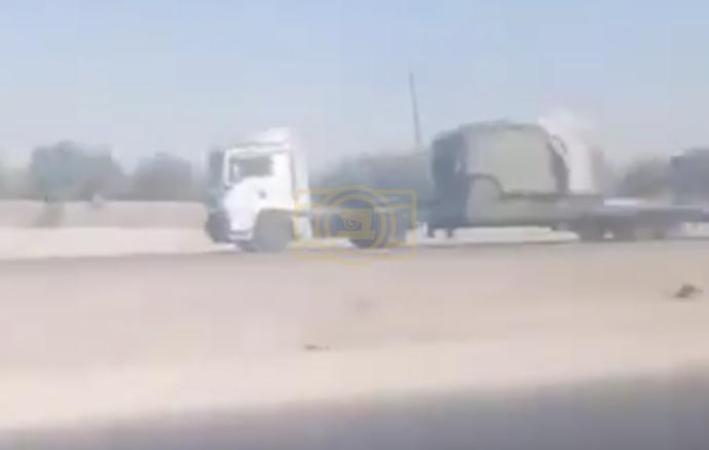
Heavy weapons recently obtained from Syrian Democratic Forces in Hasakah are being moved in real time toward positions in the Aleppo countryside. The shipments include Shilka anti-aircraft vehicles and armored personnel carriers loaded onto multiple heavy semi-trucks and transport vehicles. Video footage lasting roughly thirty-five seconds captures the convoy traveling along dusty rural roads under clear skies. The shaky camera work shows the vehicles passing warehouses, a water tower, and scattered low-rise buildings as they head west. The images provide a direct look at the ongoing transfer of significant military hardware across northern Syria.
The movement forms part of broader Syrian government efforts in 2026 to consolidate control over Aleppo following the withdrawal of SDF units from several city neighborhoods. Areas such as Sheikh Maqsoud saw SDF fighters pull back toward their core strongholds in the northeast. In many cases the departing forces left behind or formally transferred heavy equipment rather than destroying it or taking it with them. Syrian authorities have moved quickly to collect and redistribute these assets to strengthen their own positions around the city. The current convoy represents one visible stage of that process.
Shilka anti-aircraft systems are tracked vehicles equipped with rapid-fire cannons originally designed for defense against low-flying aircraft and helicopters. Armored personnel carriers add protected mobility for troops operating in contested rural zones. Together these weapons give the receiving forces greater capacity to control territory and respond to aerial or ground threats. Their arrival in the Aleppo countryside signals an intent to harden defensive lines and support further operations aimed at securing the region. Local observers note that such transfers can shift the balance of power in areas that only recently changed hands.
The dusty roads and sparse surroundings visible in the footage are typical of the rural routes linking Hasakah province to the Aleppo hinterland. Convoys of this size rarely move without coordination and security arrangements, suggesting the transfers are taking place under agreed frameworks rather than through chaotic seizure. Syrian government units appear to be absorbing the equipment into their existing order of battle with minimal delay. This practical approach allows them to reinforce key sectors without waiting for new production or external supplies.
The relocation of SDF fighters to northeastern areas has left a complex mosaic of control in northern Syria. While light weapons and personnel moved with the withdrawing units, heavier systems proved more difficult to transport quickly and were frequently subject to handover deals. The appearance of Shilkas and armored carriers on the road to Aleppo illustrates how those deals are now being implemented on the ground. Each successful transfer adds tangible combat power to Syrian government forces operating near the city.
As the vehicles continue toward their destinations, the focus remains on how these reinforcements will be deployed in the Aleppo countryside. The Syrian government is using the post-withdrawal period to tighten its hold on recently regained urban districts and the surrounding rural belt. The steady flow of heavy weapons from former SDF stocks supports that objective and reduces the chance of immediate challenges in the area. The real-time movement captured on video offers a clear snapshot of a military landscape still adjusting to the latest territorial changes.