BROOKLYN HEIGHTS: Mayor Mamdani Unveils $4 Billion Expressway Rebuild Plan.

Gallery
Videos
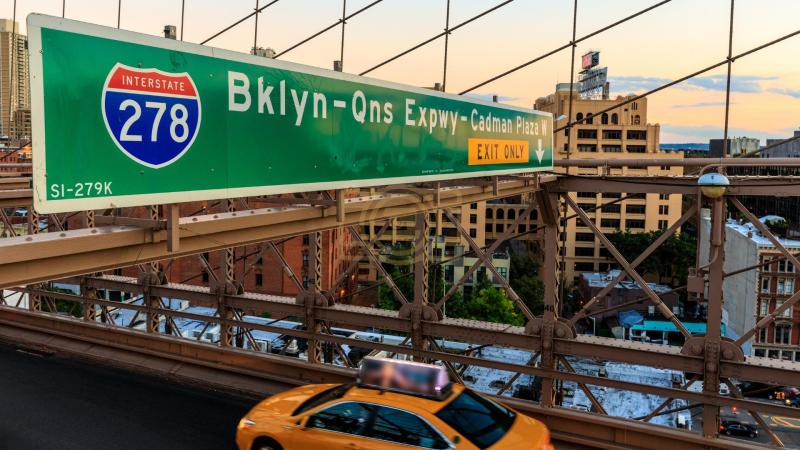
New York City Mayor Zohran Mamdani has unveiled a roughly $4 billion plan to rehabilitate the city-owned section of the Brooklyn-Queens Expressway, including the aging triple-cantilever beneath the Brooklyn Heights Promenade. The 1.5-mile BQE Central section carries roughly 130,000 vehicles a day and has deteriorated well beyond its original design life, making a long-term reconstruction increasingly urgent. City officials say the project will extend the structure’s life by another 40 years while keeping the highway operating during the most disruptive phases of construction.
The centerpiece of the plan is a temporary, two-level highway bypass that would be constructed above Furman Street, allowing traffic to move while crews take the existing cantilever out of service. Construction of the temporary roadway is expected to begin in 2030, followed by major rehabilitation of the triple-cantilever around 2032, with the temporary structures ultimately removed and the restored highway targeted for completion in 2040. Officials say the strategy is designed to prevent tens of thousands of cars and trucks from being pushed onto already crowded Brooklyn streets.
The project would address deteriorating concrete and rebar while also upgrading drainage, joints, railings and lighting throughout the aging corridor. City officials say the rebuilt structure would maintain the existing highway footprint and traffic configuration rather than expand the roadway, while the temporary bypasses would allow the work to proceed without a prolonged full closure of the BQE. The plan is also expected to involve periodic closures of portions of the Brooklyn Heights Promenade, although officials have pledged to keep at least part of the promenade accessible during construction.
The announcement revives a politically sensitive debate over the future of the BQE in Brooklyn Heights. Earlier proposals to use temporary roadways faced intense opposition from residents and advocates, while other groups have argued that the aging highway should ultimately be removed or fundamentally redesigned rather than rebuilt. Mamdani’s approach instead focuses on stabilizing and rehabilitating the existing structure while leaving broader questions about the future of the regional highway network for later discussions with New York State.
For the city, the stakes extend far beyond repairing aging concrete beneath the promenade. The BQE is a major regional transportation and freight corridor, and officials warn that delaying substantial work could eventually force far more disruptive closures and send heavy traffic into surrounding neighborhoods. Mamdani’s plan therefore represents a major choice between preserving a controversial piece of New York’s highway infrastructure and reopening the larger debate over whether Brooklyn should continue accommodating a major interstate through one of its most densely populated waterfront communities.