MIDDLE EAST FORGOT: RFK Jr. Highlights Jewish Exodus and Christian Displacement Across Arab Nations

Gallery
Videos
MIDDLE EAST FORGOT: RFK Jr. Highlights Jewish Exodus and Christian Displacement Across Arab Nations
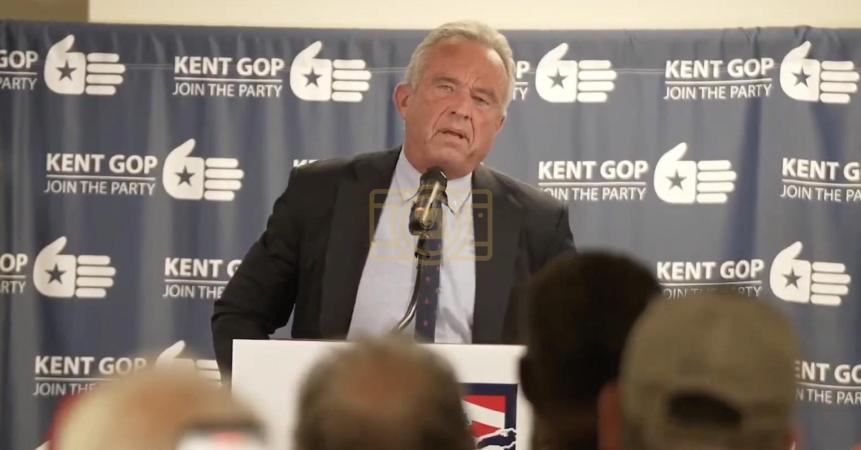
Robert F. Kennedy Jr. has reignited debate over religious persecution and demographic change in the Middle East, pointing to the historic displacement of Christian communities and the mass departure of Jews from Arab countries. In remarks attributed to Kennedy, he highlighted how Christianity once had a significant presence in countries including Egypt, Libya, Algeria, Iraq, and Lebanon, before political upheaval, persecution, and changing social conditions contributed to the decline of many Christian communities. “The Christians have been expelled,” Kennedy said, arguing that their displacement deserves greater international attention. His comments also drew attention to the history of Jewish communities across the Arab world, many of which experienced persecution, discrimination, property seizures, or forced displacement following the establishment of Israel in 1948 and during subsequent decades. Iraq provides a particularly stark example of demographic change: estimates cited by religious-freedom organizations indicate that its Christian population fell from more than 1.5 million before the 2003 U.S.-led invasion to fewer than 200,000 in recent assessments. These historical developments raise important questions about the protection of religious minorities and whether the suffering of different communities receives consistent attention in international discussions.
Kennedy’s remarks have also brought renewed focus to the broader debate over religious persecution, regional security, and the policies of the Iranian government. The displacement of Jewish communities from Arab countries and the dramatic decline of ancient Christian populations are distinct historical experiences, shaped by different political circumstances, conflicts, and forms of persecution. Meanwhile, concerns about Iran’s nuclear ambitions and the regional activities of its leadership remain central to arguments over U.S. policy in the Middle East, including the Trump administration’s approach to Tehran. Critics of military action against Iran have raised concerns about the risks of escalation and its consequences for civilians, while supporters of a tougher approach argue that preventing Iran from acquiring nuclear weapons is a major security priority. Kennedy’s comments contribute to this wider debate by highlighting religious communities whose histories of displacement are often discussed separately from the Israeli-Palestinian conflict. The central questions remain how governments should protect vulnerable religious minorities, address historical injustices, and prevent further persecution without deepening the region’s existing conflicts.