MASSIVE THANKSGIVING STORM HITS EAST COAST: Nearly One Million Without Power as Flights Disrupted and Macy's Parade Postponed
Gallery
Videos
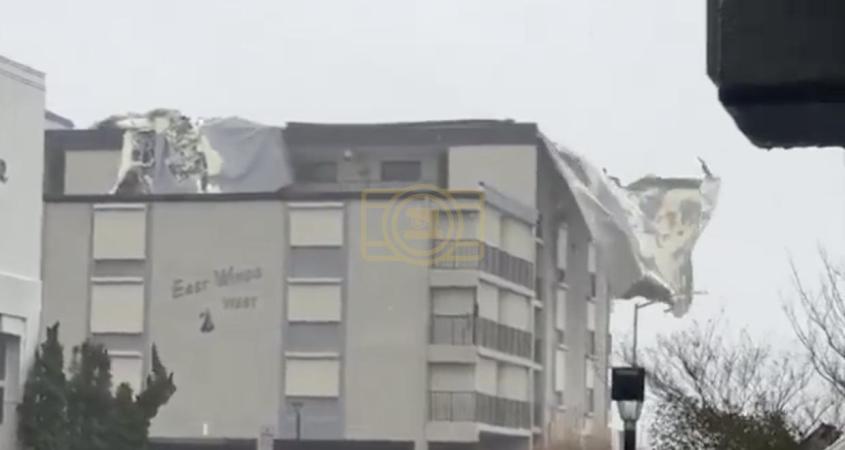
A powerful storm battered the eastern United States over Thanksgiving, bringing damaging winds, torrential rain and severe flooding that disrupted holiday celebrations and left nearly one million homes and businesses without electricity at the height of the outages. New York and New Jersey declared states of emergency as officials warned residents about dangerous weather conditions, flooded roads and the risk of falling trees and power lines. Wind gusts reached approximately 110 kilometers per hour in several affected areas, knocking down trees and damaging electrical infrastructure. Pennsylvania, Maryland, Virginia and New Jersey were among the hardest-hit states, with widespread outages reported across the region. Air travel was also severely disrupted, with more than 2,000 flights delayed and over 400 canceled as the storm affected major airports. The combination of flooding, strong winds and transportation disruptions turned one of America's busiest holiday periods into a difficult travel day for thousands of families.
The storm also forced an unprecedented change to one of New York City's most recognizable Thanksgiving traditions: the 100th Macy's Thanksgiving Day Parade was postponed until Saturday, November 28, for the first time in its history. Organizers made the decision because powerful winds posed a safety risk to the parade's giant balloons, participants and spectators. The postponement marked a major disruption to the centennial celebration, which had been expected to draw millions of spectators along the Manhattan route. Meanwhile, coastal communities faced dangerous flooding, with emergency crews responding to water rescues and road closures in several locations. Although the strongest conditions began moving away from parts of the region, thousands of customers remained without electricity as utility crews worked to restore service. The storm's impact extended beyond the holiday itself, leaving communities facing cleanup efforts, damaged infrastructure and continuing travel complications.