IRAN UNDER DIPLOMATIC FIRE: Rubio Blames Tehran for Destabilizing the Entire Middle East
Gallery
Videos
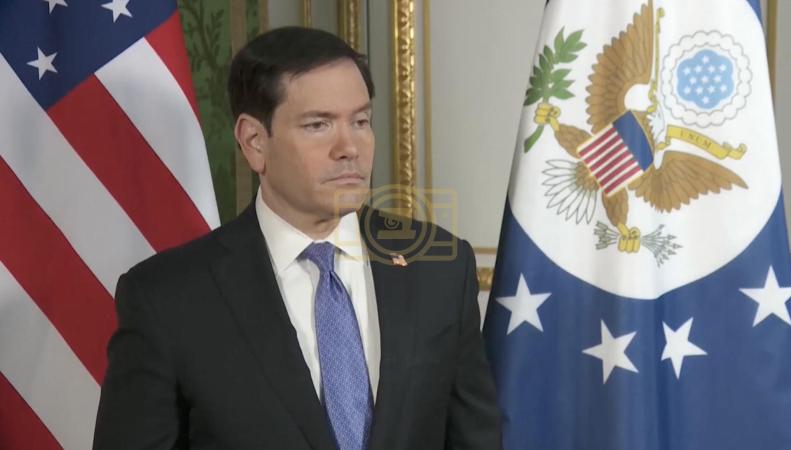
U.S. Secretary of State Marco Rubio has accused Iran’s regime of fueling instability across the Middle East, identifying Tehran as the common factor behind several armed groups and conflicts throughout the region. Speaking to reporters in Paris on November 10 following a G7 foreign ministers’ meeting, Rubio pointed to the Houthis in Yemen, Iran-backed militias in Iraq, Hezbollah in Lebanon, Hamas and the Syrian civil war as examples of what he described as Tehran’s destabilizing influence. “Behind every single one of these destabilizing activities in the Middle East there's one common denominator — the Iranian regime,” Rubio declared. He argued that regional governments, including Saudi Arabia, recognize Iran’s role in supporting groups that threaten neighboring countries and undermine regional security. Rubio specifically highlighted the Houthi threat, expressing concern over attacks targeting Saudi interests and saying the group would not exist in its current form without Iranian support. His remarks reinforced the Trump administration’s position that Tehran’s regional activities remain a central security concern, extending beyond its nuclear program.
Rubio’s comments came as the United States continues applying economic pressure on Iran through sanctions and a naval blockade, measures he said were increasingly damaging the Iranian regime’s finances. He argued that the pressure was working so effectively that President Donald Trump currently had no need to order major additional combat operations, while warning that American forces remained prepared to respond if Iran crossed certain red lines. The secretary also accused Tehran of using previous sanctions relief to strengthen its weapons programs and support armed proxies rather than invest in infrastructure and public services for the Iranian people. At the same time, Rubio said Washington remained open to a diplomatic agreement, although he criticized Iran’s current demands as unrealistic and insisted that any nuclear energy program must operate under acceptable conditions. His remarks signal that the administration intends to combine economic pressure with diplomatic engagement and continued military readiness. Whether those measures will reduce Iran’s support for regional armed groups remains a central question for Middle Eastern security.