UN CHAOS: Secretary-General Concedes Human Rights Experts Run Wild
Gallery
Videos
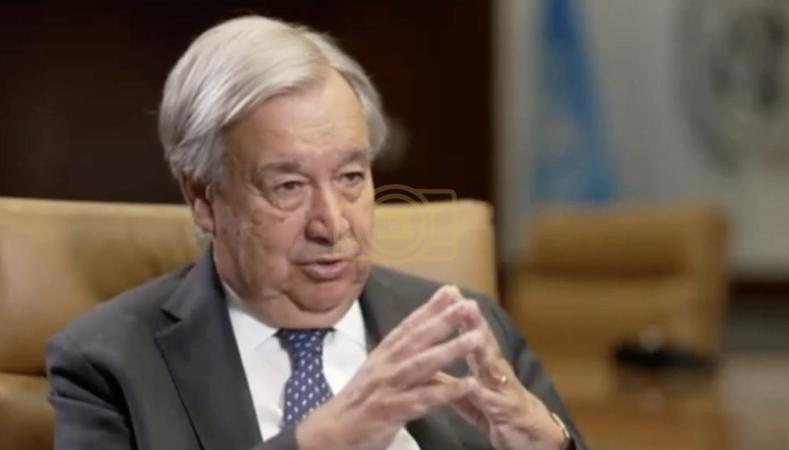
United Nations Secretary-General António Guterres has acknowledged that many independent UN human-rights rapporteurs are “totally out of control” from the Secretariat’s perspective. The comment came as his term approaches its end and reflects growing internal frustration with the actions of these independent experts. Guterres framed the issue as a structural reality rather than a temporary problem, noting that the rapporteurs operate with significant autonomy. His words mark a rare public concession about the limits of the Secretariat’s authority over parts of the UN human-rights system. The admission is likely to intensify debate about accountability within the organization.
Israel’s UN Ambassador Danny Danon responded sharply to the secretary-general’s statement. Danon asked who allowed the rapporteurs to go out of control in the first place and pointed out that the situation developed during Guterres’ own tenure. The ambassador’s reply placed direct responsibility on the current leadership for any loss of oversight. By highlighting the timing, Danon suggested that the problem should have been addressed earlier rather than acknowledged only near the end of a term. The exchange underscores long-standing tensions between Israel and certain UN human-rights mechanisms.
Guterres has simultaneously denied the existence of any institutional anti-Israel bias within the United Nations. He maintains that the organization and its various bodies operate according to established mandates and principles. The denial sits alongside his admission about the rapporteurs and creates a nuanced public position. On one hand, he concedes that some independent experts have exceeded preferred boundaries; on the other, he rejects claims of systemic prejudice against Israel. This dual stance attempts to separate the issue of control from broader accusations of bias.
Independent human-rights rapporteurs are appointed to investigate and report on specific themes or country situations, and they traditionally enjoy a high degree of independence from the UN Secretariat. That independence is designed to protect their work from political interference, yet it can also produce friction when their statements or activities diverge from the preferences of member states or the secretary-general’s office. Guterres’ description of them as “totally out of control” suggests that, from his vantage point, the balance has tipped too far. The remark may encourage calls for clearer guidelines or stronger coordination mechanisms in the future.
The timing of the admission, coming late in Guterres’ leadership, adds weight to the criticism leveled by Ambassador Danon. Critics argue that problems of this nature should have been confronted while the secretary-general still had full authority and political capital. Supporters of the current system counter that genuine independence requires tolerance for voices that occasionally unsettle powerful governments. The public airing of the disagreement brings an internal UN governance issue into open view and invites member states to consider whether reforms are needed.
As Guterres prepares to leave office, his comments about the rapporteurs are likely to form part of the broader evaluation of his tenure. The exchange with Israel’s ambassador illustrates how questions of institutional control quickly become entangled with political disputes. Whether the next secretary-general will inherit the same frustrations or attempt structural changes remains an open question. For now, the secretary-general’s own words have confirmed that significant parts of the UN human-rights apparatus operate beyond the effective reach of the Secretariat.