IRAN CLAIMS MISSILE ADVANTAGE OVER U.S.: IRGC Says Production Never Stopped Despite Wartime Strikes

Gallery
Videos
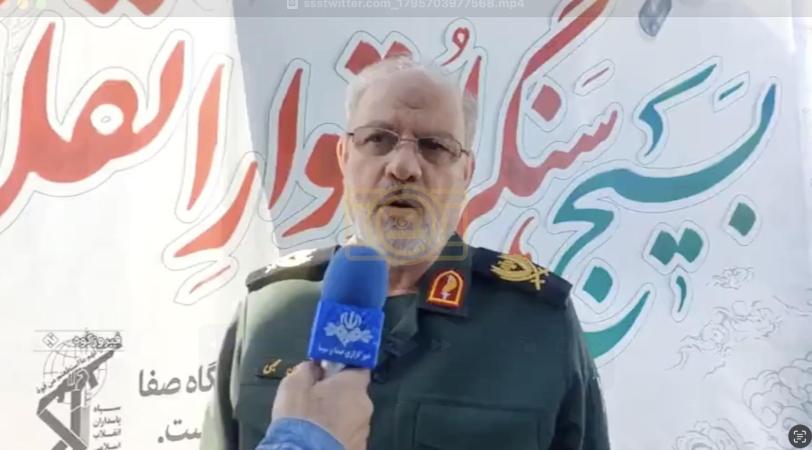
Iran's Islamic Revolutionary Guard Corps (IRGC) is claiming that its missile capabilities now surpass those of the United States, insisting that its weapons production has continued without interruption despite the damage inflicted during the conflict. IRGC spokesperson Brigadier General Hossein Mohebbi made the remarks on November 26, declaring that Iran remains in a stronger position than Washington when it comes to missiles, offensive weapons and air defense systems. He claimed that American forces are experiencing shortages of strategic weapons while Iran has not faced comparable supply problems and does not expect to encounter them in the future. Mohebbi also asserted that the IRGC continues to improve the accuracy, capabilities and destructive power of its missile systems every day. His comments were accompanied by claims that Iranian forces have maintained their ability to defend the country's southern coastline and strategic islands in the Persian Gulf. The statements appear intended to project military strength and demonstrate that Tehran believes it can sustain its weapons capabilities despite continued pressure from the United States and its allies.
The IRGC's claims come as questions grow over the condition of both countries' military inventories following the extensive fighting and the expenditure of large quantities of precision-guided weapons and air defense interceptors. A recent Government Accountability Office assessment found that the conflict has worsened existing U.S. munitions shortages, including concerns involving Tomahawk missiles and Patriot interceptors, while identifying weaknesses in the Pentagon's plans to rebuild its stockpiles. However, that does not establish Iran's claim that its overall missile and weapons capabilities are superior to America's, particularly because reliable comparisons of classified inventories, production capacity and operational readiness are not publicly available. Independent reporting has also indicated that Iran retains significant missile capabilities despite extensive strikes against its military infrastructure. Tehran has repeatedly promoted its underground missile facilities and continued production as evidence that its weapons program can withstand attacks. Whether Iran can maintain the scale and effectiveness of its arsenal over the long term remains uncertain, but Mohebbi's latest remarks signal that the regime wants Washington to believe its missile capabilities remain a formidable threat.