Chabad Begins Conference With Global Impact: Mikvah Grants for 22 communities in nine countries
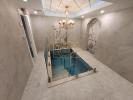
Gallery
In many cities, the Nearest Jewish Ritual Bath Is a Five-Hour Drive. A New Grant Aims to Change That.
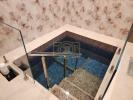
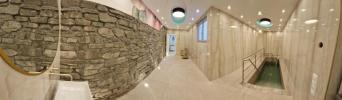
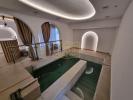
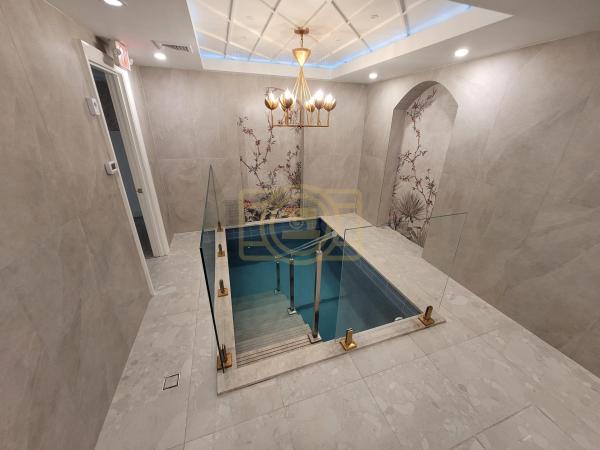
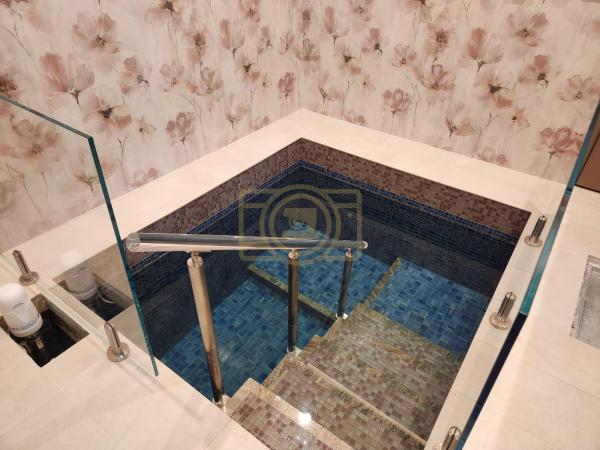
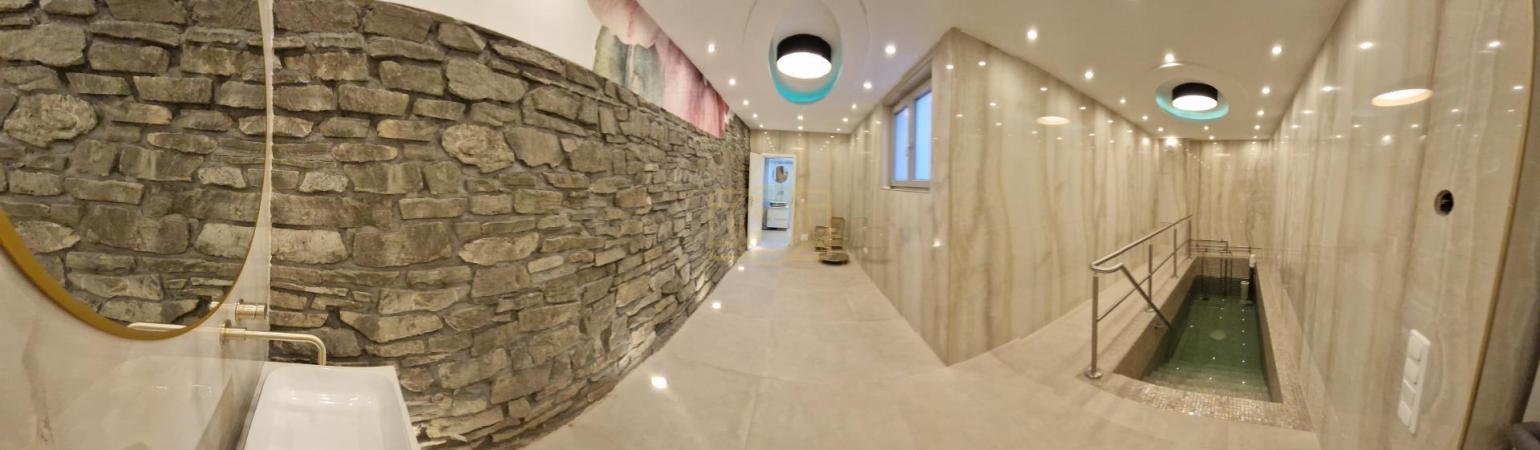
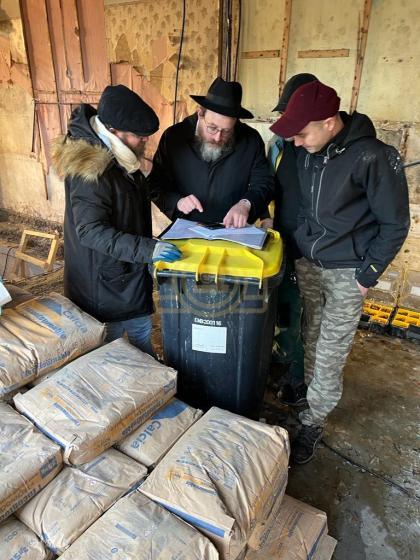
Families in Lubbock, Texas, who want to use a mikvah, a Jewish ritual bath, now drive about five hours to reach one. A new grant announced at the largest Jewish conference, is helping their local communities build one. The Keren Hashluchim fund has announced grants to 22 communities in nine countries at the International Kinus Hashluchim, an annual gathering of Chabad emissaries, known as shluchim.
View New Mikvah Recipients Here
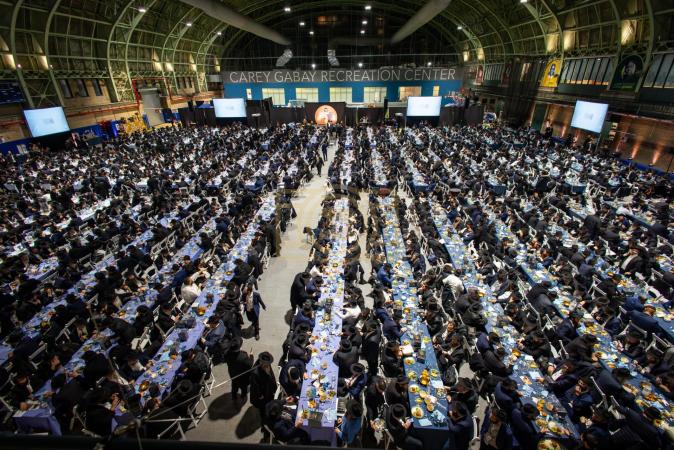
The Kinus is the world’s largest conference of Jewish leaders. The 6,500 attendees from 110 countries, compare notes on what they see on the ground, and they look for ways to respond together. The Kinus serves as a think tank and launch pad for new initiatives to tackle the biggest challenges facing Jewish life worldwide.
This year, one of those pressing needs is mikvah infrastructure and access.
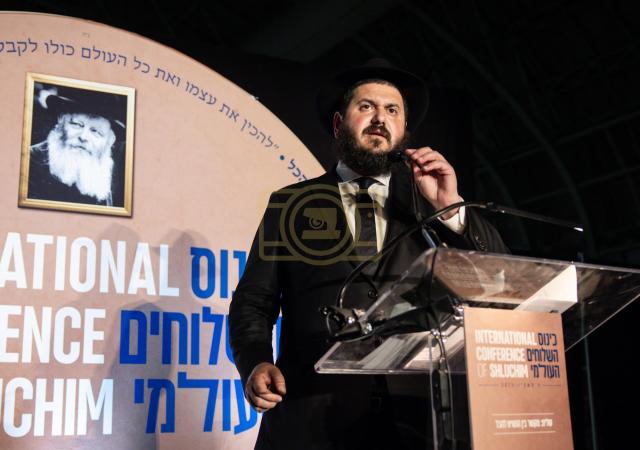
In response, Chabad World Headquarters, led by Rabbi Mendy Kotlarsky, chairman of Chabad’s global networks, including the conference and the Shluchim Foundation, is expanding its mikvah grants.
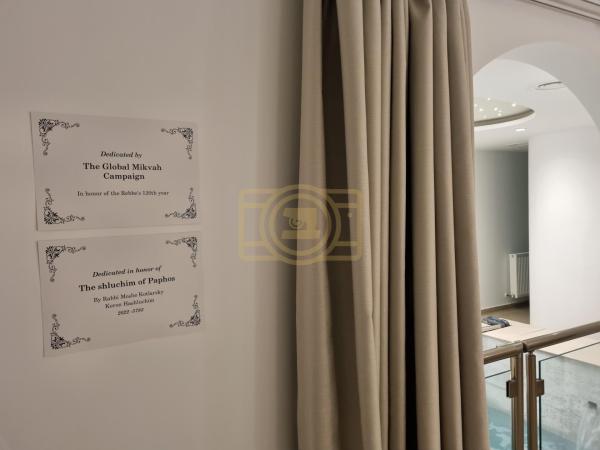
Inspired by the call of The Rebbe, Rabbi Menachem M. Schneerson, to build mikvahs in every city, the foundation has now funded 123 mikvahs in the last four years alone.
The need is critical. In Santa Teresa, Costa Rica; Auckland, New Zealand; and Tanzania, families have to get on a plane.
In Bend, Oregon; Mar del Plata, Argentina; and San Miguel de Allende, Mexico, families face drives of three to six hours to reach the nearest mikvah.
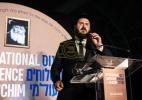
“The shluchim are the global support system for the Jewish people,” said Rabbi Kotlarsky. “Sometimes that means a Torah class or a conversation. Other times it means building the Jewish infrastructure, such as the first mikvah for hundreds of miles. We are here to support them and we are deeply grateful to the group of visionary partners whose generosity made these grants possible.”
3 years after October 7th, the Jewish Surge is growing and Chabad is a leading address for that engagement. According to Jewish Federations of North America's third annual survey, 38% of Jewish Americans now report heightened Jewish engagement and 32% of Jews engaging communally did so through Chabad, ahead of JCCs, federations and foundations, which each drew about a quarter.
Nearly 300,000 people live in Lubbock, Texas, and Rabbi Zalman and Chana Liba Braun estimate that several hundred of them are Jewish. For those Jews, a mikvah currently means driving roughly five hours in almost any direction.
“From the moment we moved here, we knew we needed to build a mikvah,” Rabbi Braun said.
But a community of several hundred Jews could not easily carry the full cost of building a mikvah.
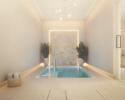
The Brauns have already chosen a site in the backyard of a property they purchased last year. The grant is helping them move ahead. When they complete the project, Northwest Texas will have its first mikvah.
In Traverse City, Michigan, where Rabbi Laibel and Chaya Shemtov lead the Chabad, families have traveled about two and a half hours to Grand Rapids to use the nearest mikvah. During the summer, someone who makes the round trip without staying overnight can arrive home at 2 a.m.
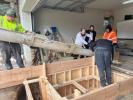
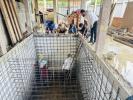
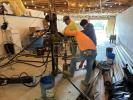
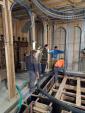
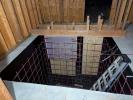
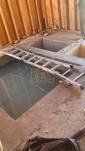
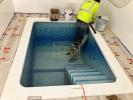
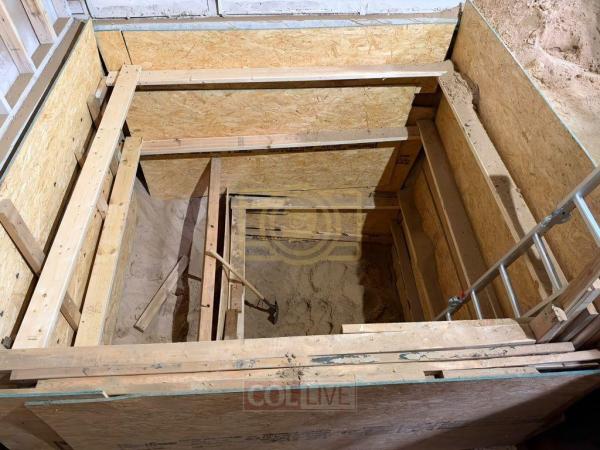
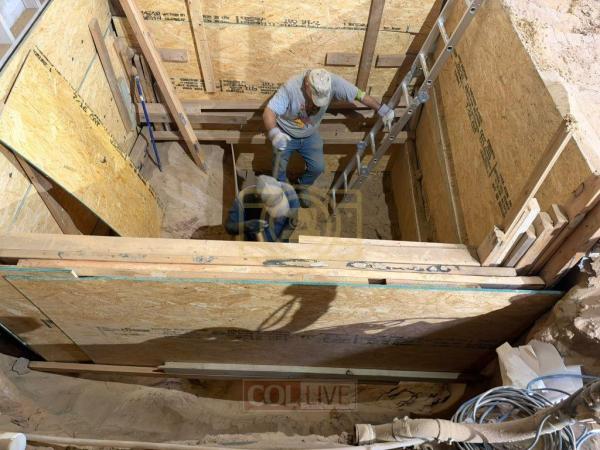
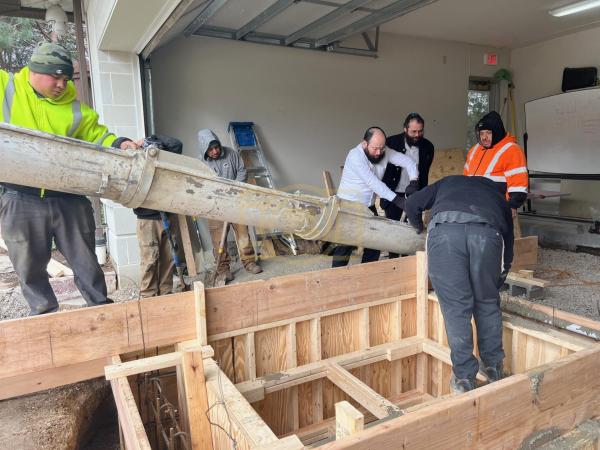
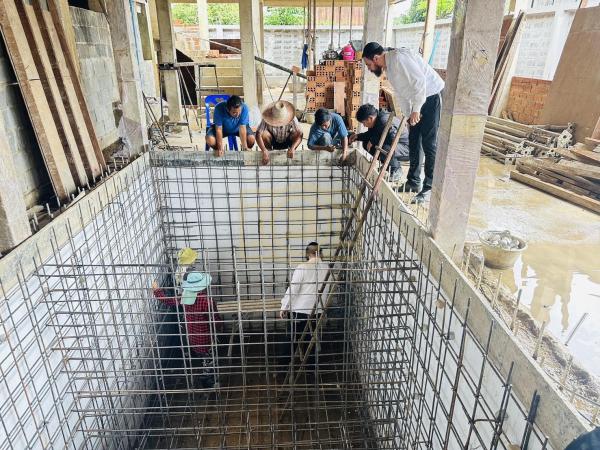
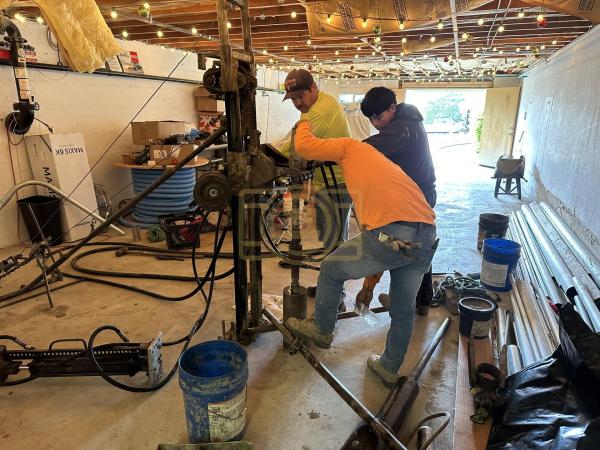
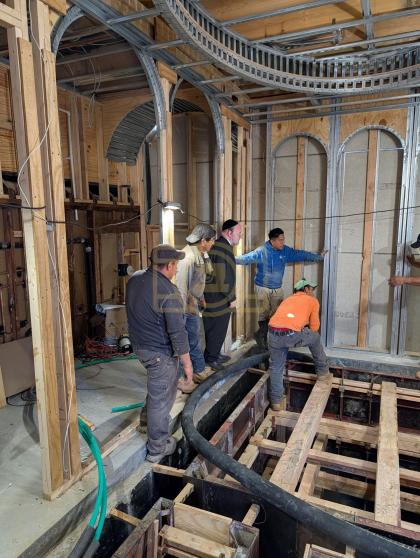
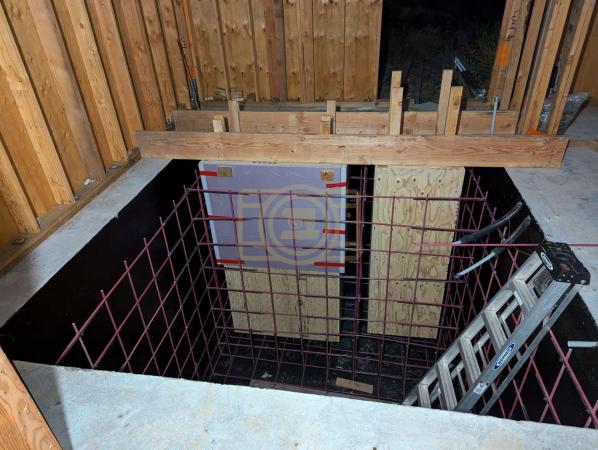
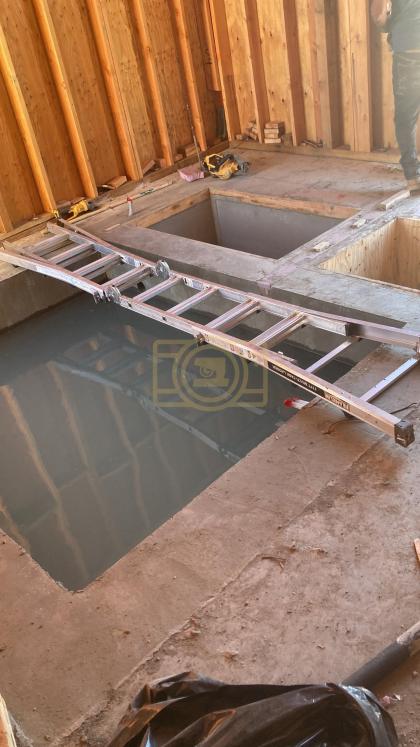
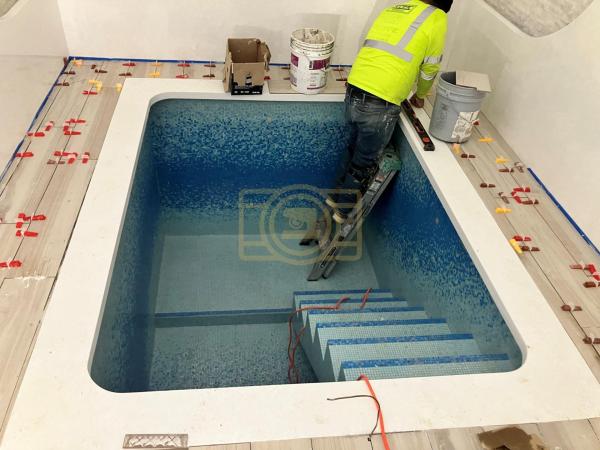
Seeing the tremendous need, the Shemtovs have already started building.
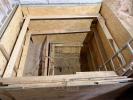
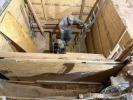
They are putting the mikvah inside the Chabad Center and expect workon the mikvah pool to enter its final stages in the coming weeks.
“It’s a game changer,” Rabbi Shemtov said.