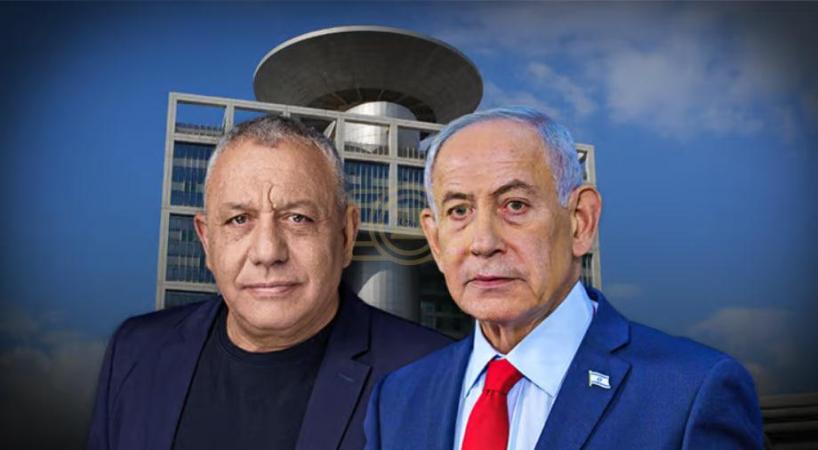
UNITY STANDOFF: Negotiating Meeting Reportedly Canceled After Eisenkot Tells Netanyahu He Will Stick With Bloc Partners

Gallery
Efforts to form a national unity government in Israel suffered a major setback on Sunday after Prime Minister Benjamin Netanyahu and opposition leader Gadi Eisenkot failed to bridge their significant political differences during a high-stakes meeting in Tel Aviv. Eisenkot reportedly told Netanyahu that he remained committed to his existing political bloc partners and would not abandon them to secure a deal with Likud. The two leaders met at the Kirya military headquarters, where their discussions began with a security briefing before turning to the possibility of forming a national unity government. In a joint statement, Likud and Eisenkot’s Yashar party described the meeting as substantive, saying both sides had attempted to overcome the substantial gaps separating them. However, Hebrew media reports indicated that the disagreements remained unresolved and that no further meetings between their negotiating teams were planned. The outcome dealt a significant blow to Netanyahu’s latest effort to bring his political rival into a broader governing coalition.
The meeting followed Netanyahu’s announcement that he was willing to serve as prime minister second in a rotation agreement, allowing Eisenkot to take the first turn leading a potential unity government. That offer had raised hopes of a political breakthrough following Israel’s inconclusive October 27 election, which left neither political camp with an immediate path to a parliamentary majority. Eisenkot, however, has continued negotiations with parties in his existing bloc, including Naftali Bennett’s B’Yachad, as he works to assemble a government. Disagreements over military-service requirements for ultra-Orthodox men have also emerged as a major obstacle in the coalition negotiations. Netanyahu’s Likud maintains that a broad national unity government is necessary, while Eisenkot’s position suggests he intends to prioritize the coalition partners who supported his bid to replace the current government. With no follow-up meeting scheduled, the negotiations between the two leaders appear to have reached an impasse, leaving Israel’s political future uncertain.