CENTCOM Launches Operation Epic Fury Against Iranian Threats.
Gallery
Videos
U.S. Central Command announced the launch of Operation Epic Fury, a joint U.S.-Israeli strike campaign initiated at 1:15 a.m. ET on February 28, 2026, targeting key elements of Iran’s security and military infrastructure. The operation was ordered by President Donald Trump with the stated objective of defending the American people by eliminating imminent threats posed by the Iranian regime.
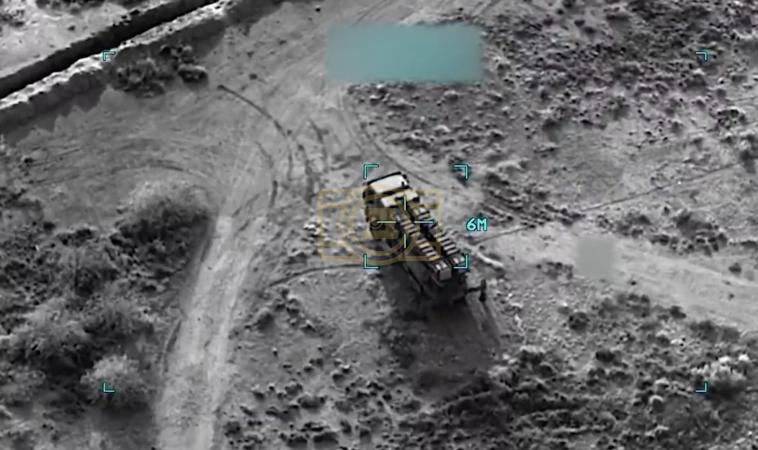
According to CENTCOM, the campaign is designed to deliver an overwhelming and sustained blow to capabilities associated with missile development, command-and-control networks, and other strategic assets. Video footage accompanying the announcement shows F/A-18 fighter jets launching from an aircraft carrier, precision missile strikes, and controlled detonations at ground targets, underscoring the scale and coordination of the effort while avoiding disclosure of sensitive operational details.
Military planners emphasize that the strikes are focused on degrading Iran’s capacity to project force and conduct attacks against U.S. personnel and allies in the region. The joint nature of the operation reflects deep operational coordination with Israel, aligning intelligence, targeting, and execution to maximize effectiveness.
Operation Epic Fury represents a significant escalation in the confrontation with Tehran, transitioning from deterrence and limited engagements to a broad campaign against regime-linked military infrastructure. Officials maintain that the objective is narrowly defined and threat-focused, aiming to neutralize immediate risks rather than pursue wider territorial or political goals.
As the operation continues, CENTCOM forces remain on heightened alert for retaliatory actions, including missile launches, drone activity, and proxy attacks. Defensive systems across U.S. bases in the Middle East have been reinforced, and commanders are closely monitoring the evolving threat environment.
The opening phase of the campaign highlights the United States’ ability to project power rapidly and in coordination with regional partners, while signaling that further action will depend on Iran’s response and the broader security landscape.