BREAKING DAWN 2.0: IDF Tests Readiness for Sudden Multi-Front War
Gallery
Videos
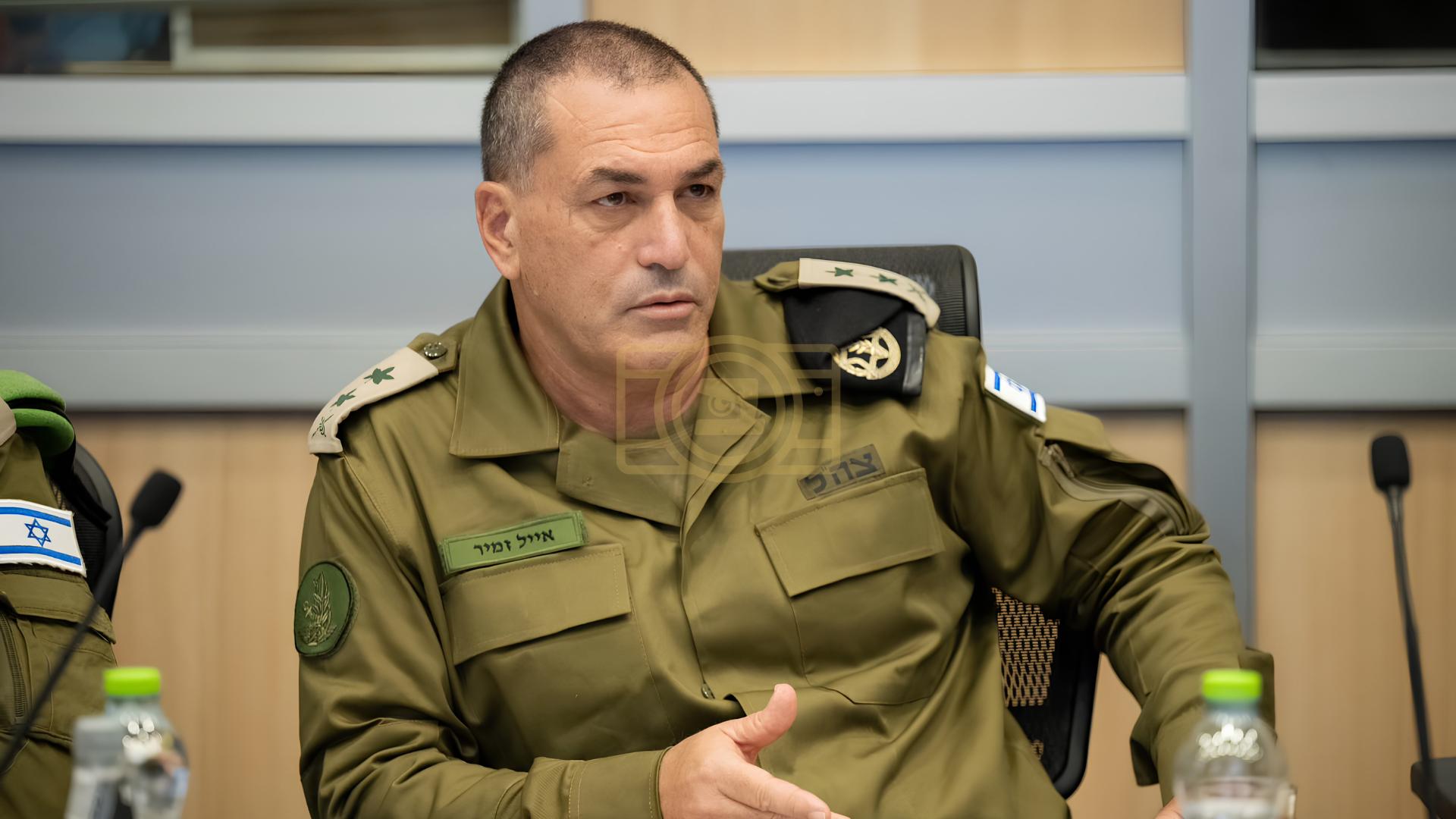
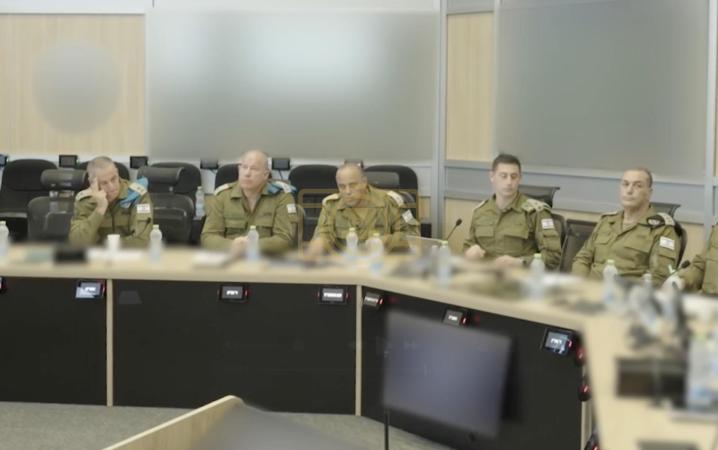
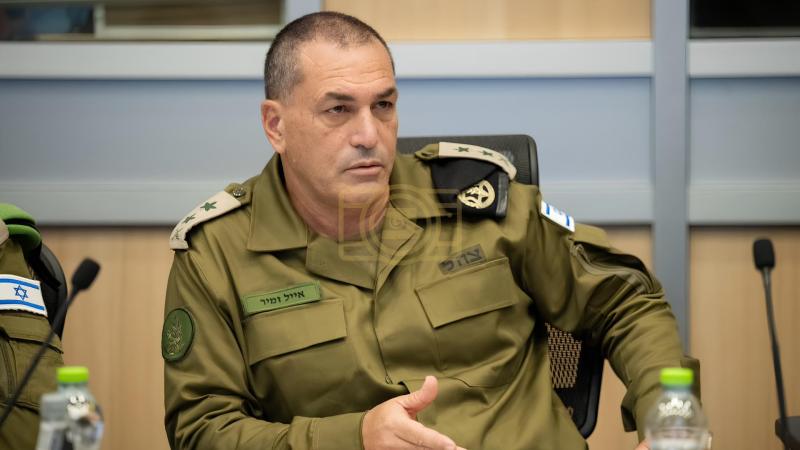
The Israel Defense Forces launched an unannounced, nationwide readiness exercise early Sunday morning, testing the military's ability to respond to a sudden, complex, and large-scale conflict erupting across multiple fronts simultaneously. Ordered by IDF Chief of Staff Lt. Gen. Eyal Zamir, the surprise drill, codenamed "Breaking Dawn 2.0," evaluated the readiness of the General Headquarters and main command structures, the mobilization of standby forces and reserves, and decision-making processes throughout the chain of command. Commanders across regional commands, branches, and directorates were called up without warning as part of the test, and the public was told to expect increased movement of security forces and aircraft nationwide, though officials stressed there was no actual security threat driving the exercise.
During a situational assessment held as part of the drill, Zamir described the current security environment in stark terms. "We are in a tense and volatile period across all arenas, and we are preparing for the upcoming holiday period," he said, referring to the approaching Rosh Hashanah holiday, set to begin September 12. He emphasized that the lessons of October 7 remain central to the military's posture going forward, stating, "We continue to draw lessons, and as I have defined it, the baseline posture of the entire IDF is readiness for a surprise attack." Zamir explained that the exercise was designed specifically to simulate a multi-arena war, allowing commanders to test the IDF's readiness "at all levels and across all formations," from the General Staff down to individual field units.
The exercise involved rehearsing scenarios including a surprise attack and infiltration of Israeli territory by air, sea, and land, testing the defense of border communities including the resort city of Eilat. Troops drilled operational coordination not only within the military but also with the Israel Police, the Magen David Adom emergency response organization, and other first responders, reflecting lessons learned about the need for tighter civilian-military coordination since the October 7 attacks. Zamir personally oversaw portions of the drill from the Supreme Command Post as well as from the field, visiting the Ground Training Center alongside senior commanders including the head of the Operations Directorate and the commanders of Southern Command and the Gaza Division. He separately warned that any enemy attack would be met with an immediate and heavy price.
The timing of the exercise carries added significance, arriving just before the third anniversary of the October 7 massacre and amid ongoing military activity across multiple active fronts, including strikes in southern Lebanon following a Hezbollah drone attack on Israeli troops that occurred the same day. Some intelligence assessments have reportedly raised concerns about Iran potentially plotting a large-scale surprise attack designed to mirror the October 7 assault, though officials have not confirmed the specifics of any such threat publicly. Zamir has previously said that Israel "fundamentally changed" its security doctrine in the years following October 7, and this latest drill appears to reflect that shift, prioritizing continuous, unannounced readiness testing over reliance on any single early-warning system or assumption of enemy restraint.