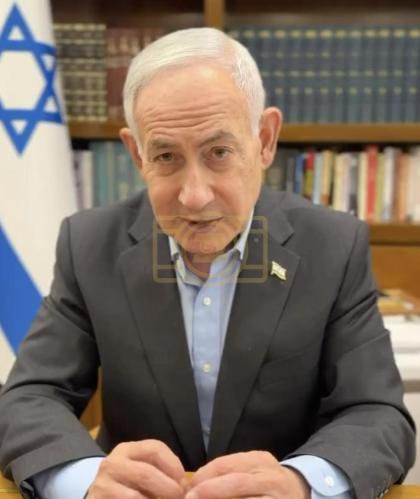
PM NETANYAHU: Netanyahu Warns Right-Wing Voters Don't Repeat the Costly Mistake of 1992.

Gallery
Videos
Prime Minister Benjamin Netanyahu is issuing a blunt warning to right-wing voters in Israel, urging them not to split their support among small parties that risk falling below the electoral threshold. He is pointing directly to the 1992 election as a cautionary tale, when several right-wing factions failed to enter the Knesset and inadvertently helped Labor form a government. Netanyahu argues that this fragmentation ultimately paved the way for the Oslo process and what he describes as years of subsequent Israeli bloodshed. His current message is clear and repeated: do not waste votes on parties that may never make it into parliament.
According to Netanyahu, the danger is not that the left will suddenly win an outright majority of the popular vote. Instead, he says a divided right could once again lose power simply because too many ballots are scattered among tiny lists that fail to cross the threshold. Those discarded votes, he insists, effectively transfer influence to the other side. The prime minister is framing the choice as both practical and historical, reminding supporters that the same dynamic played out more than three decades ago with lasting consequences.
In his latest appeal, Netanyahu has stated, “You’re wasting your vote. It simply guarantees the rise of the left. This can be prevented. It’s in your hands.” The language is direct and personal, placing responsibility on individual voters rather than on party leaders or broader political forces. He is asking right-wing Israelis to consolidate behind larger, more established lists capable of securing seats and forming a governing coalition. The warning comes as political calculations intensify ahead of any future election.
Netanyahu’s reference to 1992 is deliberate and emotionally charged. He links the failure of small right-wing parties to clear the threshold with the subsequent rise of a Labor-led government and the launch of the Oslo Accords. In his telling, that sequence of events opened a chapter of violence and insecurity that Israel is still grappling with today. By invoking this history, he seeks to transform a dry electoral math problem into a matter of national survival and collective memory.
The core of his argument rests on the mechanics of Israel’s proportional representation system. Votes cast for parties that fall short of the threshold are essentially nullified for the purpose of seat allocation. When several small right-wing parties suffer this fate at once, the overall strength of the right in the Knesset shrinks even if the combined popular support remains substantial. Netanyahu is telling his base that this mathematical reality, not a surge in left-wing popularity, is the real threat they must avoid.
Whether the warning will reshape voting intentions remains to be seen, but the message itself is unambiguous. Netanyahu is calling on right-wing voters to prioritize unity over ideological purity or personal preference for smaller lists. He presents the alternative as a repeat of 1992: a fragmented right, a strengthened left, and the risk of policies he believes endanger Israel’s security. The choice, he insists, is still in the hands of the voters themselves.