HaRav Yitzchak Yosef Warns Sephardic Bochurim Against Voting for Ben-Gvir, Urges Support for Shas

Gallery
Former Sephardic Chief Rabbi HaGaon HaRav Yitzchak Yosef shlita has issued a strong warning to Sephardic yeshiva bochurim considering voting for National Security Minister Itamar Ben-Gvir, declaring that supporting the minister is forbidden because of his visits to Har Habayis.
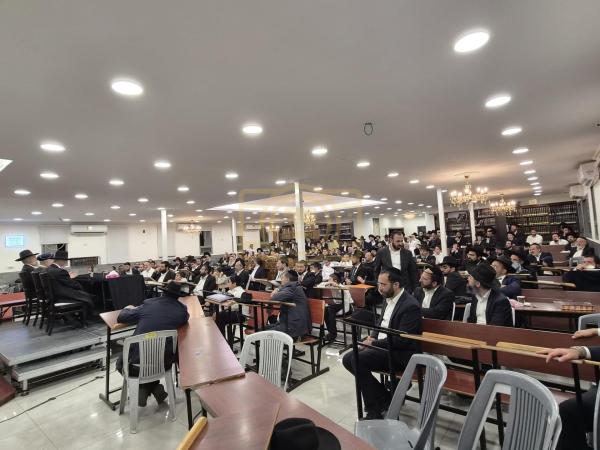
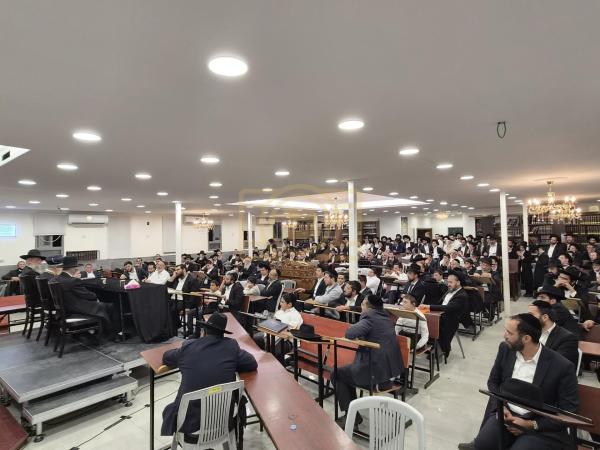
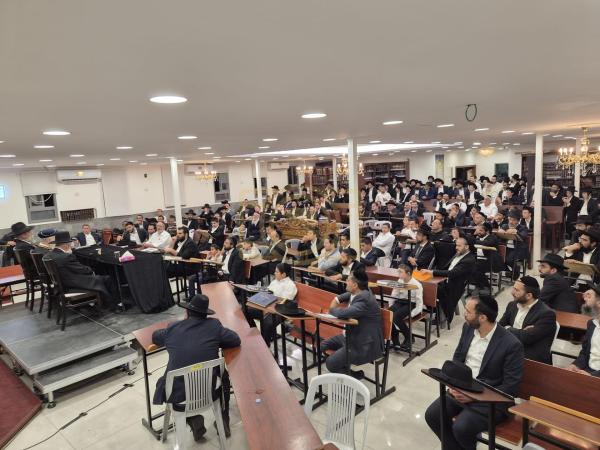
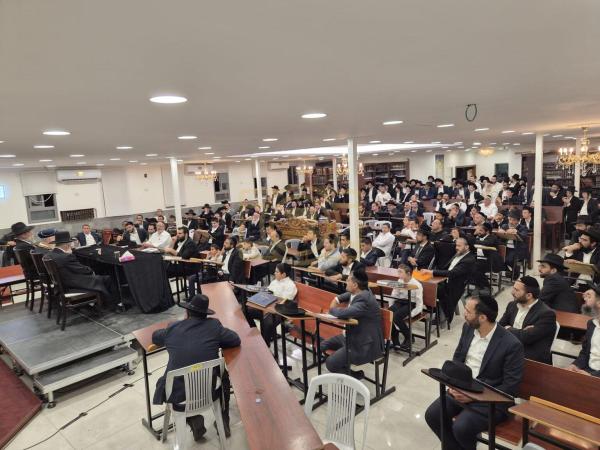
Speaking at a gathering held at the Bnei HaYeshivos beis medrash in the Shmuel Hanavi neighborhood of Yerushalayim, Rav Yosef urged young voters to follow the guidance of the Sephardic Torah leadership and support Shas rather than parties outside the established Chareidi political framework.
Addressing the growing appeal of Ben-Gvir among some younger Sephardic voters, Rav Yosef questioned why bochurim would consider backing a politician whose conduct at Har Habayis he strongly opposes.
“It is forbidden to vote for him. Whoever votes for him is as though he himself ascended Har Habayis,” Rav Yosef declared, according to Hebrew reporting of the gathering.
The remarks come amid political tensions in Eretz Yisroel, particularly over the ongoing military draft controversy and the treatment of Chareidi demonstrators.
Some younger Chareidi voters have expressed frustration with the political establishment, raising concerns among Shas leaders that support could shift toward right-wing parties.
Rav Yosef also criticized Ben-Gvir over the conduct of police toward Chareidi protesters, questioning the minister's response to incidents involving members of the Torah community.
At the same time, Rav Yosef warned of the dangers he believes would accompany the formation of a left-wing government, emphasizing the importance of strong voter participation and political representation for the Chareidi community.
He encouraged those present not only to vote but also to persuade others to participate in elections, stressing the responsibility of protecting Torah institutions and the interests of the Sephardic Torah community.
The gathering was attended by additional Sephardic rabbonim, including HaRav Yitzchak Cohen and HaRav Chanoch Cohen.
Rav Yosef's remarks underscore the increasingly visible competition for younger Sephardic voters and the efforts of Sephardic rabbinical leadership to maintain support for Shas.
His message was that political decisions affecting the Torah community should be guided by its recognized rabbonim rather than by frustration over individual government policies.