WASHINGTON'S IMMIGRATION CROSSROADS: Trump Signals Willingness to Negotiate With Democrats on Deportations

Gallery
Videos
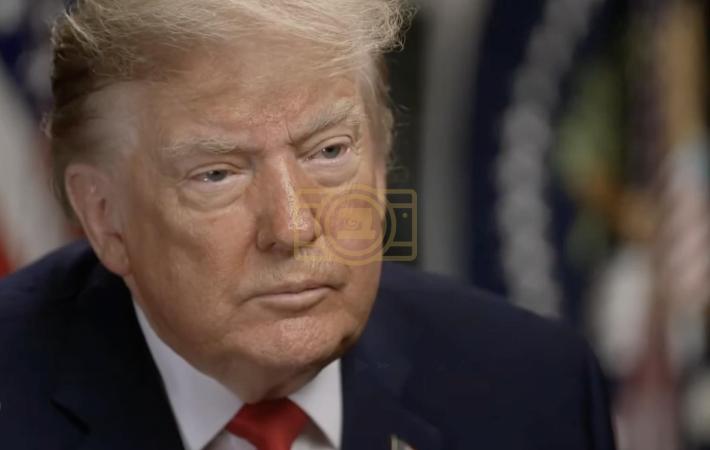
President Donald Trump has acknowledged that his administration’s aggressive deportation policy may have been too tough, while expressing interest in negotiating an immigration agreement with congressional Democrats. In an interview with CBS’s 60 Minutes that aired November 8, Trump said enforcement had both helped and hurt his political standing, praising efforts to secure the border and remove people he described as dangerous. However, he also acknowledged that some people who had lived in the United States for 10 to 15 years, maintained jobs and paid taxes were caught up in deportation efforts despite having no other violations beyond entering the country illegally. Trump specifically pointed to workers employed in landscaping businesses, hotels and other service industries as examples of people whose situations have divided public opinion. When asked whether his deportation approach had gone too far, he replied, “I think it might be too tough, yeah.” He also said that allowing some long-term undocumented immigrants to remain through a negotiated arrangement was something he believed could be accomplished with Democrats.
Trump did not announce a new immigration policy, endorse a specific legalization proposal or provide details about what a potential agreement would include. He indicated that his preferred approach would continue targeting people he described as killers, drug dealers and other dangerous offenders, while potentially creating a different path for certain long-term residents who have established working lives in the country. The president also acknowledged that Americans remain divided, with some supporting the removal of all undocumented immigrants and others favoring exceptions for workers without additional criminal violations. His willingness to negotiate marks an opening for discussions with Democrats, who are expected to prioritize immigration enforcement oversight in the new Congress. However, the political and legislative obstacles remain significant, particularly because any agreement would need to address the competing demands of border enforcement, legal status and the treatment of undocumented residents. For now, Trump has signaled an interest in compromise, but whether negotiations produce a concrete proposal—or what conditions it might impose—remains unclear.