2,000-Year-Old Aqueduct That Supplied Water to Har Habayis Uncovered in Yerushalayim
Gallery
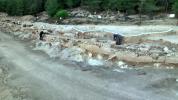
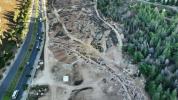
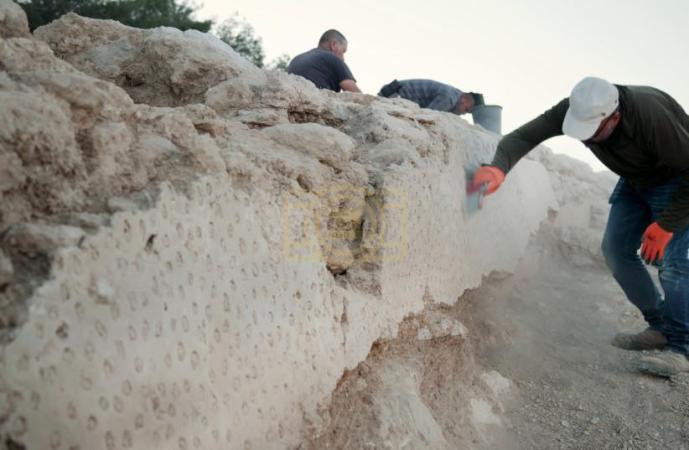
YERUSHALAYIM — Archaeologists have uncovered a remarkable section of an ancient water system that once carried water to Har Habayis, offering a glimpse into the infrastructure that served Yerushalayim approximately 2,000 years ago.
The newly exposed section of the aqueduct stretches roughly 300 meters and was discovered south of Kibbutz Ramat Rachel during archaeological excavations conducted ahead of construction of a new neighborhood.
The excavation was carried out by the Israel Antiquities Authority, with funding from the Israel Land Authority.
According to the archaeological findings, the exposed remains are part of the Lower Aqueduct, a historic water channel whose original construction is attributed to the Chashmonaim period.
The aqueduct transported spring water from the Gush Etzion area, passing through the region of Solomon’s Pools, south of Beit Lechem, before continuing toward Yerushalayim.
Stretching approximately 21 kilometers, the system relied on a carefully calculated downhill gradient, allowing water to travel across the mountainous terrain using gravity alone.
The discovery provides another tangible connection to the history of Yerushalayim and the elaborate systems developed to supply water to the city and Har Habayis.