Trump Ultimatum: Cuba Must Reform or Face Economic Collapse.
Gallery
Videos
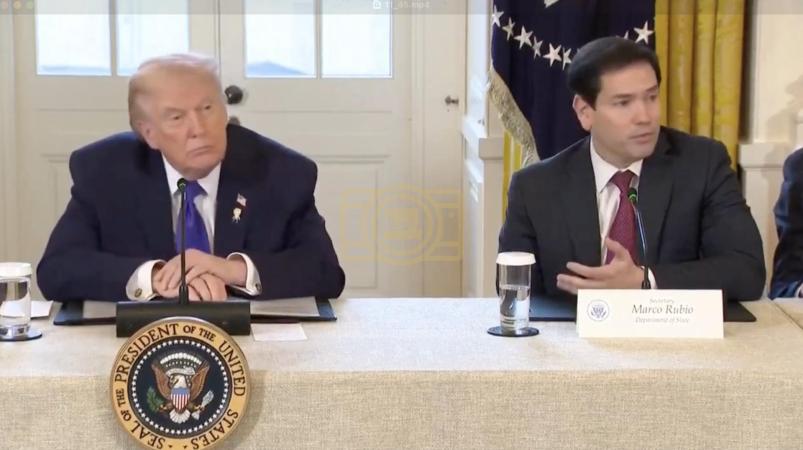
President Donald Trump sharply criticized the Cuban government’s economic condition, declaring that the island nation is “in bad shape” as it loses the vital Venezuelan oil and financial support on which it has long depended. In remarks delivered at a White House briefing, Trump highlighted the collapse of the Caracas-Havana relationship in the wake of U.S. actions against the Venezuelan regime, noting that Cuba’s reliance on Venezuelan oil and subsidies has left the country economically exposed and unable to sustain itself without meaningful reform.
Trump emphasized that Cuba’s downturn is directly tied to its dependence on Venezuela’s energy exports, a lifeline that has sustained the Cuban economy for decades. Historically, preferential agreements between Havana and Caracas supplied the island with tens of thousands of barrels of oil per day in exchange for services such as medical personnel and security cooperation, underpinning much of Cuba’s infrastructure and economic stability. Those supplies have dwindled significantly in recent years due to production declines in Venezuela and changes in regional dynamics, and the recent shift in U.S. policy now threatens to cut off that flow entirely.
At the same briefing, Secretary of State Marco Rubio reinforced the administration’s line, telling Cuban leaders that they stand at a crossroads. According to Rubio, Cuba must choose between building “a real country, with a real economy” in which its people can thrive or persisting with its “failed dictatorship,” which has prioritized political control over economic growth and prosperity. Rubio noted that decades of reliance on outside donors, including first the Soviet Union and then Venezuela, have masked Cuba’s structural economic weaknesses, and that this era of support has effectively ended.
The Trump Administration’s strategy reflects a broader effort to reshape political and economic alignments in the Western Hemisphere. By exerting leverage over Venezuelan oil resources and signaling a willingness to engage Cuba through the prospects of cooperation and reform — rather than simply maintaining the status quo — the administration is seeking to isolate adversarial governments while promoting conditions for economic transformation. Trump’s statements signal that, unless Havana alters its approach, Cuba’s energy shortages and economic contraction could intensify, deepening hardship for its citizens and increasing pressure on the regime.
The potential cutoff of Venezuelan oil — which once accounted for a significant share of Cuba’s energy imports — poses a stark challenge for Havana. Analysts note that reductions in these supplies have already contributed to widespread power outages and fuel scarcity, weakening key sectors of the Cuban economy. Without substantial reform or new sources of energy and investment, the island’s economic prospects are expected to deteriorate further, reinforcing the administration’s call for political and economic change.
The exchange between Trump and Rubio underscores a cohesive administration position: economic hardship in Cuba is not merely a product of external pressure, but also of longstanding governance choices. By framing the choice as one between prosperity and dictatorship, the administration is signaling that future U.S.–Cuban relations may depend on Cuba’s willingness to embrace reform, respect private enterprise, and pursue policies that enable sustainable growth for its people.